
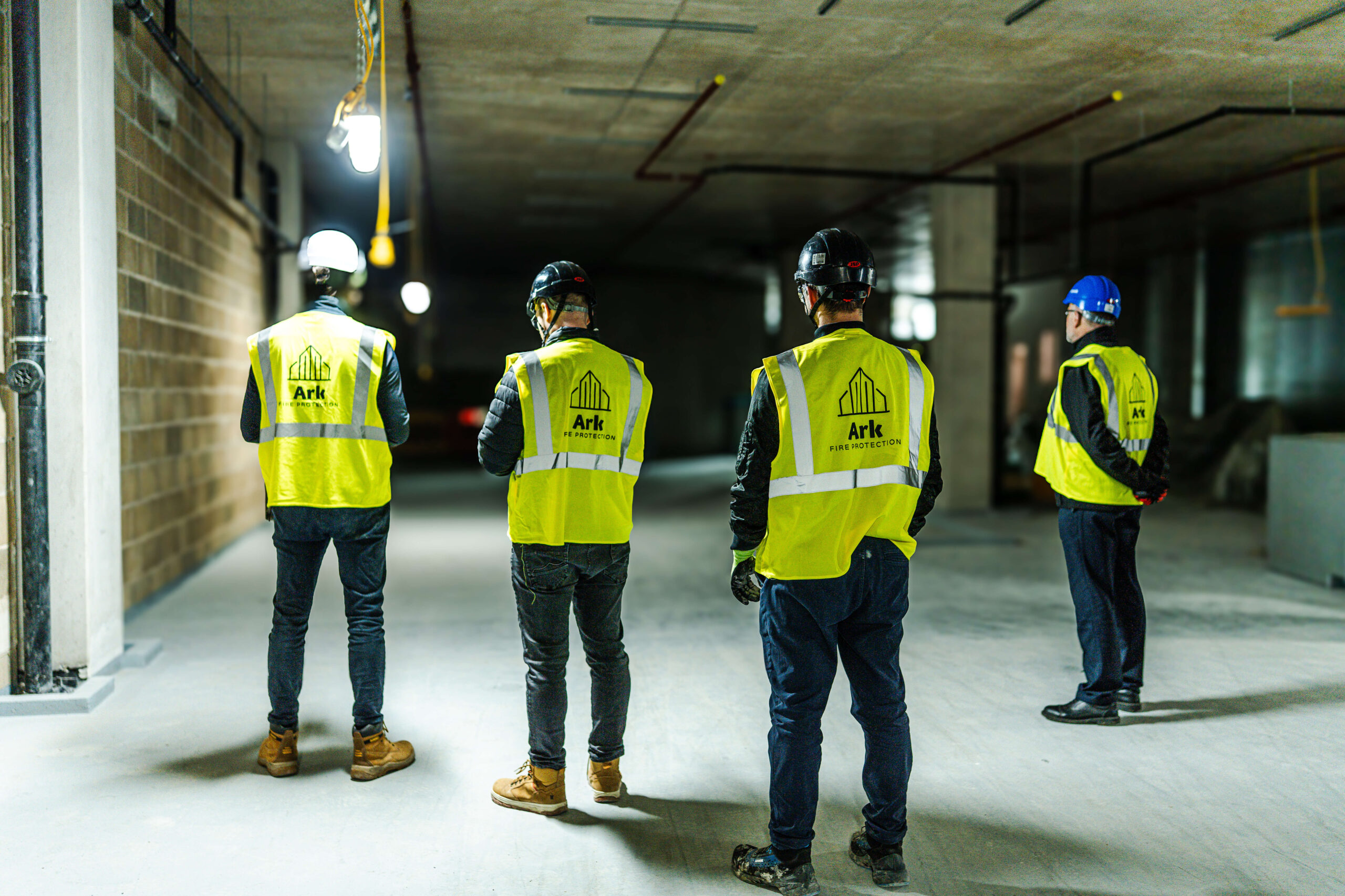








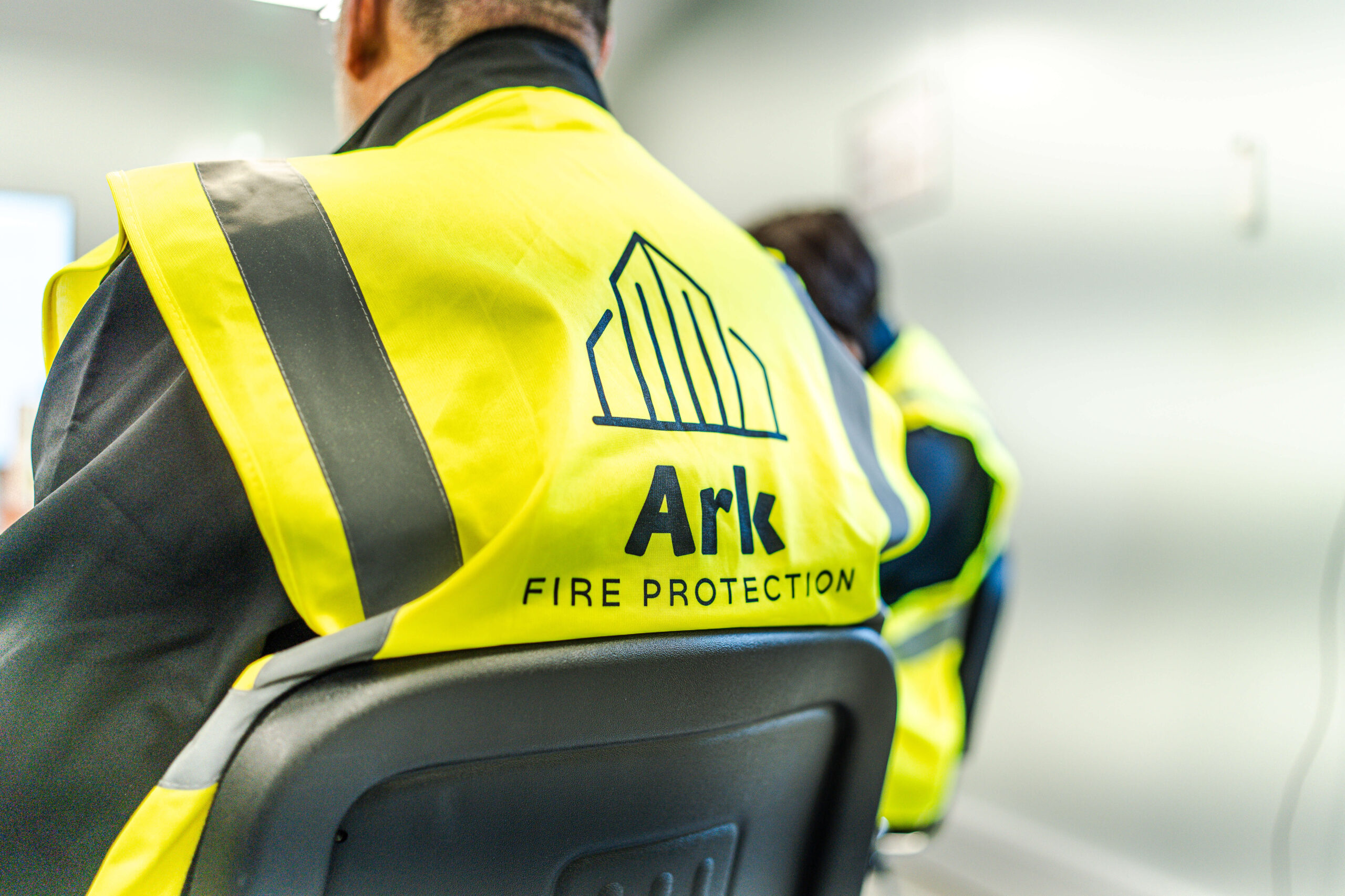
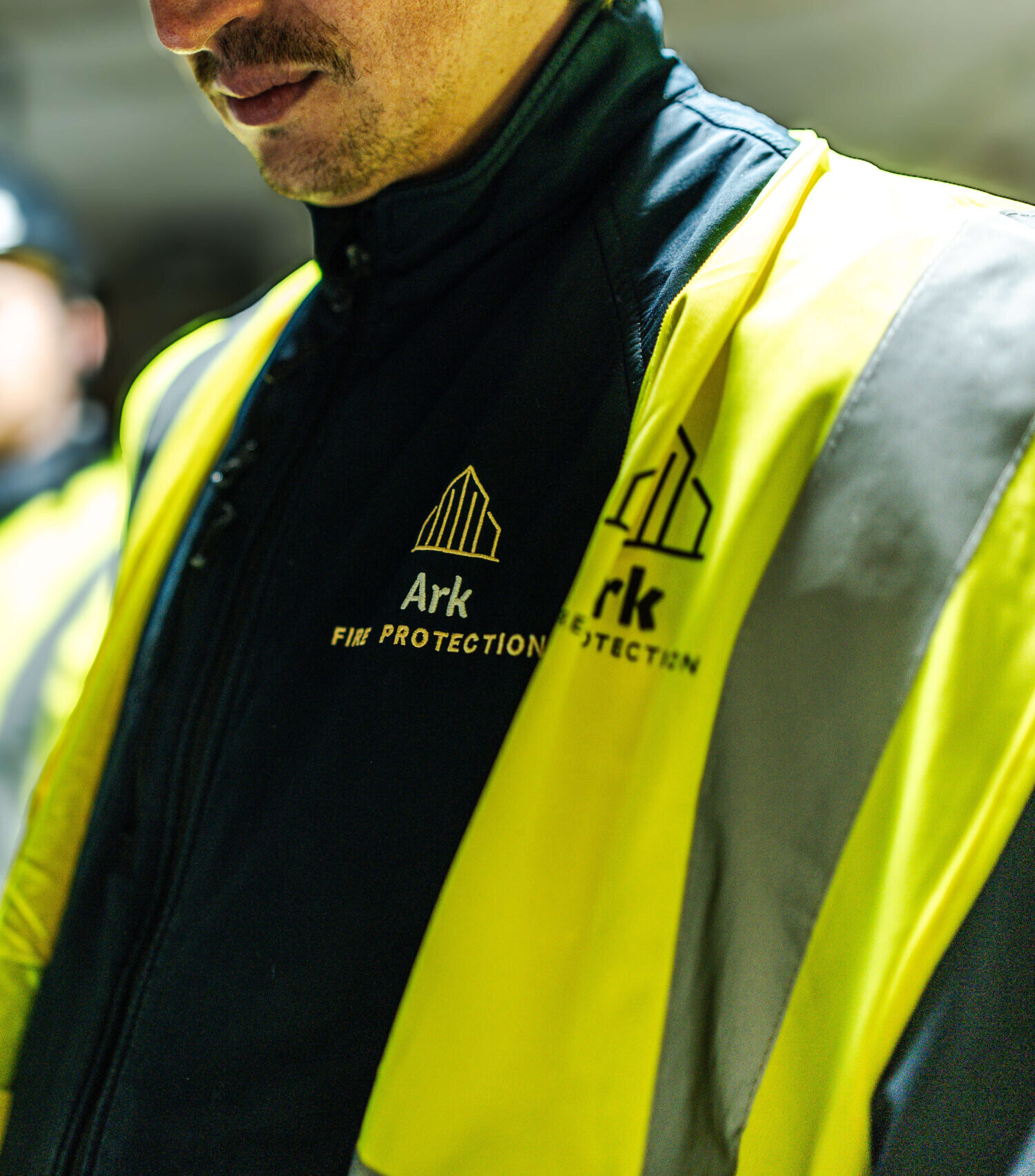

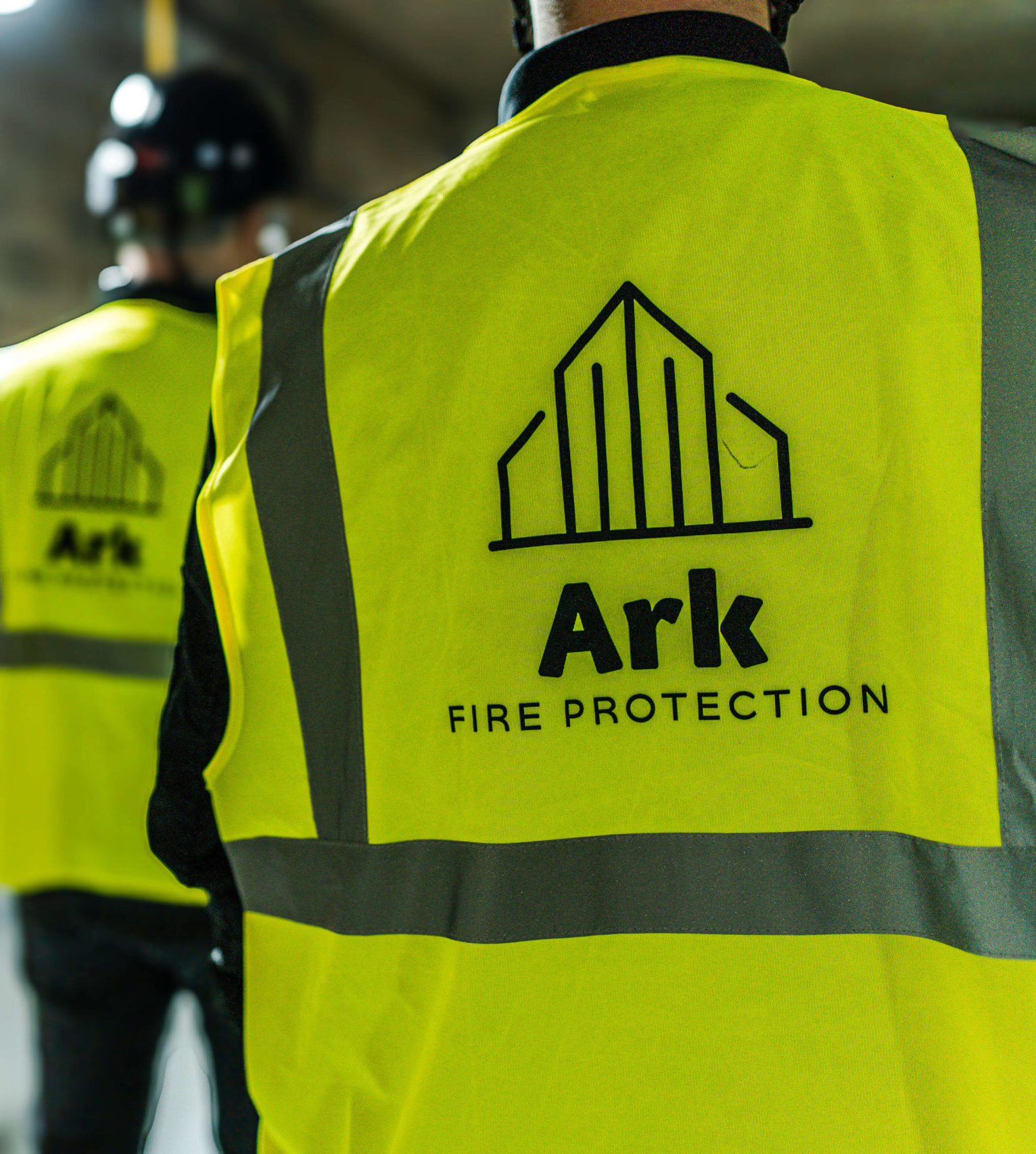


Ark logo on the back of 4 high vis jackets.

CCTV Installation Services

A camera on every corner feels like protection, right up until there is an incident and the footage is too low-resolution to identify anyone, the recorder has been overwriting for weeks, or the system itself breaches data-protection law and the recording cannot lawfully be used at all.


For housing and estates teams, CCTV is one of the most complained-about and least compliant systems on site. Getting it wrong is not just a blind spot, it is an exposure to the Information Commissioner’s Office.

citation approved certificate
Constructionline Gold Certification
Firas certification
CHAS cert exp
Acclaim certification logo
SafeContractor Certificate
facilities line gold member logo
ASFP Logo

    What Is CCTV?

    CCTV, or closed-circuit television, is a system of cameras that send video to a specific, limited set of recorders or monitors, rather than broadcasting openly, so a building can be watched and incidents recorded and reviewed. Because it captures images of people, a CCTV system in the UK is processing personal data, which means it has to be run in line with UK GDPR, the Data Protection Act 2018 and the ICO’s guidance. Done well it deters, verifies and provides usable evidence. Done badly it records footage nobody can use, or that cannot lawfully be used at all.

    image w text bg Aerial view of a city skyline at dusk

    Nationwide CCTV Installers for Public Sector and Housing Associations

    Ark Fire Protection provides CCTV installation, upgrades and ongoing maintenance services nationwide. We work with housing associations, local councils and FRAs, bringing extensive experience in public sector compliance, data protection requirements and structured reporting standards.


    Our engineers manage multi site portfolios, residential blocks, and public buildings delivering reliable, compliant systems with minimal disruption. Every project is supported with detailed reporting, audit-ready documentation and long term maintenance plans, reflecting our commitment to security, reliability and lasting partnerships.

    image w text bg Ark Fire Protection Logo on high vis.

    Types of CCTV Systems We Install and Maintain

    We install, commission and maintain CCTV systems tailored to each site’s requirements and risk profile. IP CCTV systems provide high-definition networked cameras for real-time monitoring and remote access. Analog CCTV systems are traditional wired solutions suitable for smaller sites or lower risk areas. PTZ cameras offer pan, tilt and zoom functionality for wide coverage and detailed monitoring, while wireless CCTV systems provide flexible installation options for retrofit projects or locations where cabling is challenging.


    All systems are designed, installed, commissioned and serviced in line with GDPR, public sector guidance and industry standards to ensure compliance, performance and reliability.

    image w text bg Ark Fire Protection Jacket & High Vis.

    Why Choose Ark Fire Protection for CCTV Systems

    Ark Fire Protection has extensive experience delivering surveillance solutions to housing associations, councils and FRAs. Our qualified engineers install systems that comply with UK legislation, GDPR and recognised industry standards. We provide clear reporting and documentation to support audits and compliance, and our CCTV solutions integrate seamlessly with fire alarms, intruder alarms and access control systems, offering a coordinated approach to building safety and security. Our scalable solutions are suitable for single buildings or large multi site portfolios, supported with long term maintenance to ensure ongoing reliability and protection.

    Get a Free Quote

    CCTV System Brands We Install & Maintain

    We can install and maintain the following CCTV systems:


    • Capture
    • Hanwha vision
    • Bosch
    • Axis
    • Avigilon
    image w text bg Ark Team training session

    Our 12 Month CCTV Parts and Labour Warranty and Service Package

    All newly installed CCTV systems include a 12 month parts and labour warranty, demonstrating our commitment to quality and long term support for housing associations, councils and FRAs.


    Preventative maintenance visits are scheduled to inspect cameras, recording equipment and connections, with functional testing to ensure system reliability and image quality. An annual full system service is carried out, including footage review, camera adjustments and recording verification, ensuring continued performance and compliance. Emergency call out cover during the 12 month warranty period provides rapid response to faults or system issues, minimising disruption and maintaining security across all sites.

    image w text bg Ark logo on the back of 3 high vis jackets.

    CCTV Services As Part of a Wider Safety System

    CCTV works best as part of a layered security setup. We commonly install it alongside intruder alarms for visual verification of triggered events, and access control systems to monitor who is moving through controlled doors at your premises.

    image w text bg ark staff with arms round each other

    CCTV, Surveillance and the Law: Getting Compliance Right

    CCTV is the capture of personal data, so it sits squarely under UK GDPR and the Data Protection Act 2018. Before a system goes in you need a lawful basis, a Data Protection Impact Assessment, clear signage, and a retention period you can justify. People also have the right to request footage of themselves.


    Local authorities and other relevant authorities additionally fall under the Surveillance Camera Code of Practice issued under the Protection of Freedoms Act 2012. And image quality is not a matter of opinion: BS EN 62676 sets the performance framework, while a documented Operational Requirement defines what each camera is actually there to do.


    •     UK GDPR and Data Protection Act 2018 – lawful basis, DPIA, signage, proportionate retention, subject access.
    •     ICO video surveillance guidance – the regulator’s expectations for lawful, fair use.
    •     Surveillance Camera Code of Practice (Protection of Freedoms Act 2012) – applies to councils and other relevant authorities.
    •     BS EN 62676 – performance and image-quality standard for CCTV in security applications.
    •     Operational Requirement – the documented purpose that determines camera type, resolution and placement.


    Audio recording sits at a much higher legal bar than video and should be avoided unless there is a clear, documented justification.

    image w text bg Looking up at glass skyscrapers against the sky

    Footage You Can Actually Use - Lawfully

    The usual story is a system bought on price rather than purpose: cameras at the wrong resolution or pointing at the wrong place, no Data Protection Impact Assessment, retention misconfigured, and no maintenance, so half the estate is down the moment something happens and the rest cannot stand up as evidence.


    We start from an Operational Requirement, so every camera has a defined job and a resolution to match, designed to BS EN 62676. We support the DPIA, signage and retention settings that keep you the right side of the ICO, and we maintain the system on a schedule so coverage is verified, not assumed. Footage export is built for evidential use, and because we integrate CCTV with intruder and access control, alarms come with the picture to confirm them. Every camera and service visit is logged digitally.

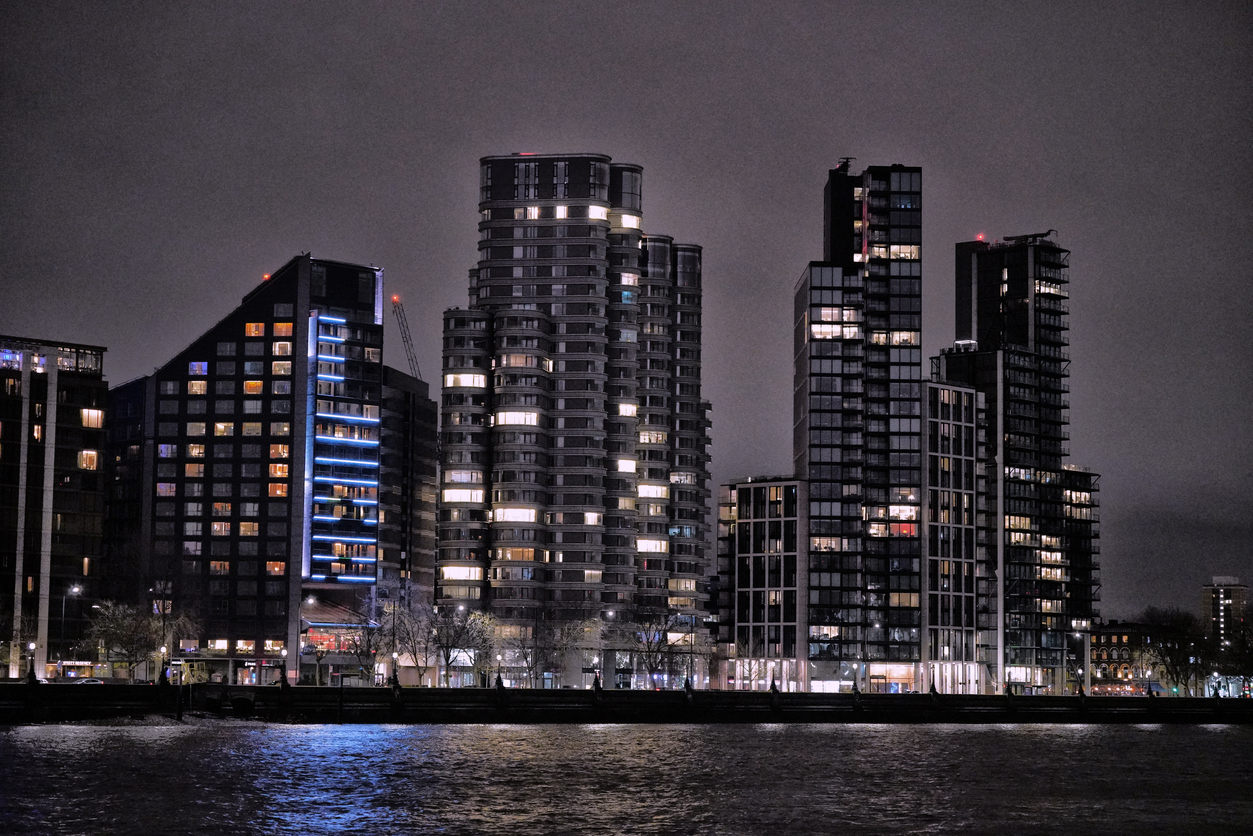
    image w text bg Waterfront high-rise apartment buildings lit up at night

    How a CCTV System Works

    A CCTV system has four parts working together: the cameras that capture the image, a recorder (an NVR for networked IP cameras, or a DVR for analogue) that stores the footage, the storage that sets how far back you can look, and the monitoring or review process, whether that is a live-monitored control room or footage reviewed after an incident. Most modern systems are IP-based, giving high-definition images and secure remote access, while analogue systems still suit smaller or simpler sites. The decision that matters most is not how many cameras you have but what each one is for: whether it needs to detect that a person is present, recognise someone already known, or identify a stranger to an evidential standard. Each step up needs more detail on the target, which sets the camera and where it goes, and it is why a well-designed system starts from a written Operational Requirement rather than a camera count.

    image w text bg Waterfront high-rise apartment buildings lit up at night

    Our Accreditations

    When it comes to the safety of your premises, you need a company that you can rely on. Ark Fire Protection is proud to be accredited by the leading industry bodies – ensuring that we always meet the highest standards of quality and safety, and that our customers can always expect a first-class service.


    We’re also ISO 9001 certified, meaning that our quality management systems are regularly audited and approved. So when you choose Ark Fire Protection, you can be confident that you’re making the best possible decision for your property.


    Great projects start with great technology

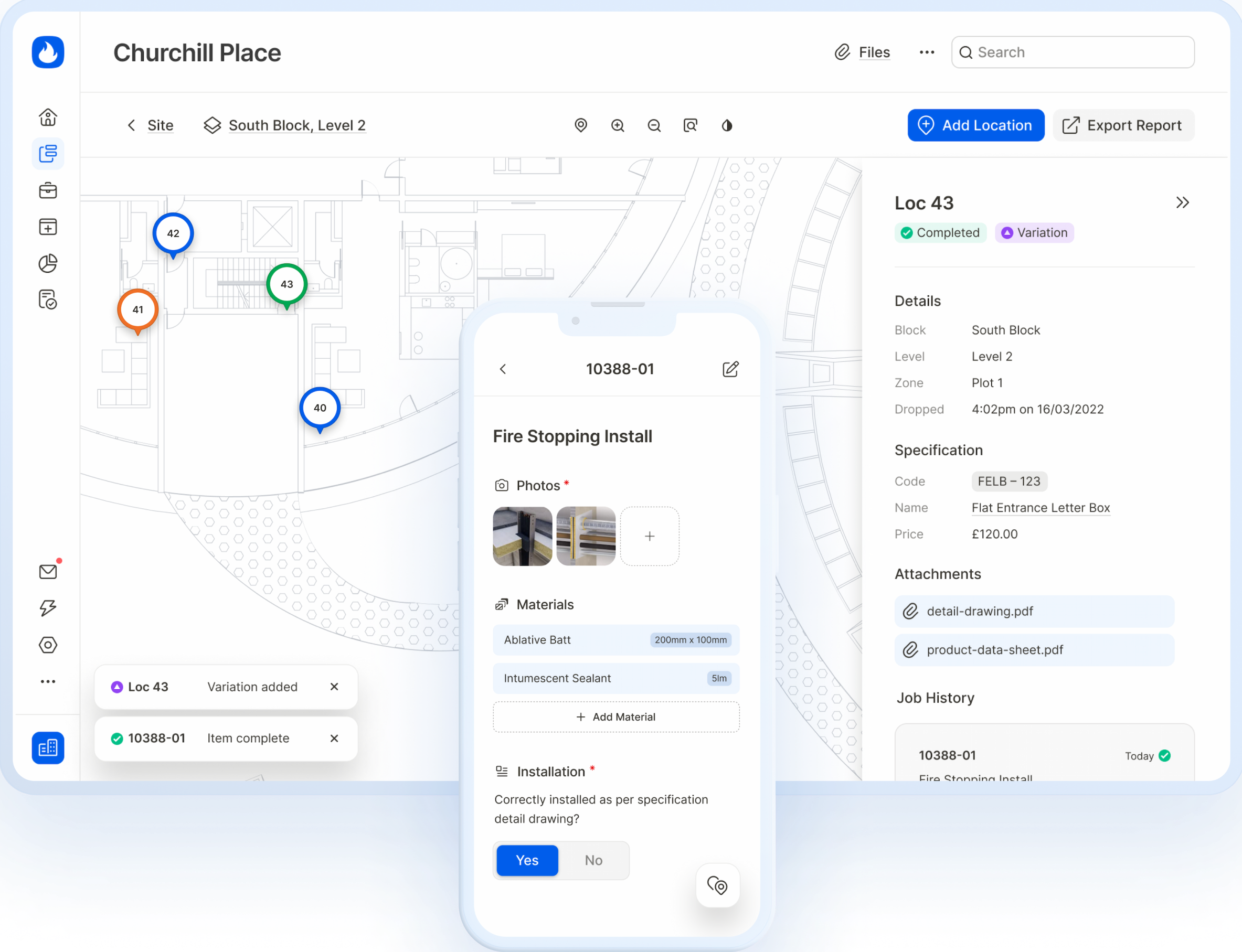
    Here at Ark Fire Protection, we use a QR Code System to create a journey of your CCTV system to provide a digital log via the Onetrace App. The log covers the entire lifespan of your new CCTV system including information such as specifications, data sheets, images of work completed, the installer and what was installed.


    Our QR Code System gives our clients visibility on the complete lifespan of the CCTV system and helps you keep on top of what work has been completed and what is required to keep up to date with the latest regulations and requirements.

    Onetrace app tracking a fire stopping installation task

    Working With Leading Manufacturers

    CCTV Frequently Asked Questions

    1. Is our CCTV GDPR compliant?

    It needs a lawful basis, a Data Protection Impact Assessment, clear signage, a justified retention period and a process for subject access requests. Many inherited systems have none of these. We review your setup against UK GDPR and the ICO’s guidance and close the gaps.

    2. Do councils have to follow the Surveillance Camera Code of Practice?

    Yes. Local authorities and other relevant authorities are covered by the Code under the Protection of Freedoms Act 2012, in addition to UK GDPR. We design and document to both.

    3. How long can we keep CCTV footage?

    There is no fixed legal limit, but retention must be proportionate to the purpose; in practice many sites settle around 31 days and justify anything longer. We help you set and document a defensible retention period.

    4. What resolution and coverage do we actually need?

    That is what an Operational Requirement decides: it defines whether each camera needs to detect, recognise or identify, which sets the resolution and placement under BS EN 62676. We build the OR first, then design to it, so you are not paying for cameras that cannot do their job.

    5. Can we record audio on CCTV?

    Audio recording is far more intrusive than video and rarely justifiable under UK GDPR; it is usually best avoided. Where there is a genuine, documented need, we help you assess and justify it properly.

    6. What is CCTV and how does it work?

    CCTV, or closed-circuit television, is a camera system that sends video to a limited set of recorders or monitors so a site can be watched and incidents recorded. A typical system is cameras plus a recorder (an NVR or DVR), storage that sets how long footage is kept, and a way to view or monitor it.

    7. Do I need to register my CCTV with the ICO?

    Most organisations that operate CCTV are processing personal data and must pay the ICO’s data protection fee, unless a specific exemption applies (domestic household use is exempt). Beyond the fee you also need a lawful basis, a DPIA, clear signage and a justified retention period. We help you get all of this in place.