Fire Stopping for Education Buildings

Passive Fire Protection for the Education Sector

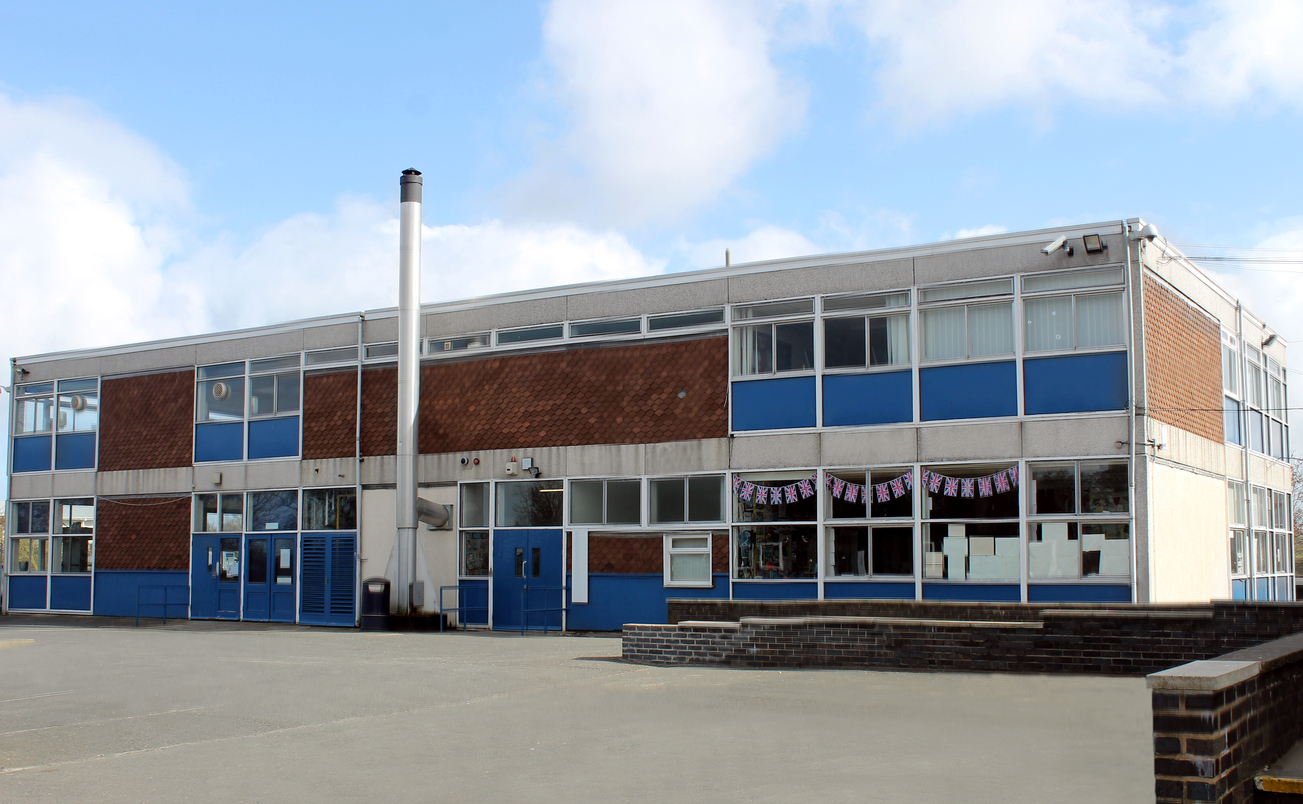
Our industry-leading passive fire protection services cater to all forms of education buildings, from Primary and Secondary schools, to Colleges and Universities. Fire safety in educational institutions is critical, these premises house a significant number of students and staff – so trust Ark Fire Protection, we have years of experience in safeguarding UK education buildings against the threat of fire.

facilities line gold member logo
ASFP Logo

Experienced Passive Fire Protection Services for Education Buildings

With a strong commitment to student safety, our team has extensive expertise in operating within open environments throughout the UK. Our primary focus lies in prioritising the safety of both staff and students, while simultaneously delivering top-notch passive fire protection solutions. Given that educational institutions are highly regulated spaces, we deeply understand the significance of compliance and maintain close collaboration with our clients to ensure that all standards are met.

Get in touch

Ark’s Passive Fire Protection Services for the Education Sector

Explore our range of passive fire protection services tailored for educational institutions throughout the United Kingdom. Our utmost priorities encompass two fundamental objectives: enhancing structural safety to facilitate swift evacuations and mitigating fire-related risks. Take a moment to delve into our service offerings outlined below.

Fire Stopping

Fire stopping is a critical process that involves sealing openings to prevent the passage of fire, smoke, and heat in different areas of a building. By creating fire-resistant compartments that divide the building both vertically and horizontally, the spread of fire can be effectively contained. It’s important to implement fully compliant fire stopping measures in buildings to minimise potential risks to students and confine the spread of fire.

Find out more

Fire Doors

Fire doors play a crucial role in maintaining compartmentation within educational buildings. At Ark Fire Protection, we specialise in a wide range of services dedicated to fire doors. Whether you require a new door closer or a comprehensive upgrade to meet industry standards, our team ensures top-notch fire door maintenance and installation with third-party accreditation.

Find out more

Intumescent Coatings

Intumescent coatings for structural steel offer a proven and reliable solution for protecting buildings against potential structural damage. We exclusively utilise intumescent coatings that undergo rigorous testing and comply with EU standards. Our clients can trust in the advanced fire protection provided by these coatings, which effectively minimise threats to the structural integrity of their buildings.

Find out more

External Fire Barriers

External Fire Barrier systems provide an effective solution for halting the spread of fire and smoke in roof and ceiling areas, as well as concealed voids within buildings. These systems are specifically designed to be suitable for voids located up to 10.5 metres. Vertical fire barrier systems ensure both insulation and integrity for up to 120 minutes, while friction fire barrier slabs offer protection for a duration of up to 60 minutes.

Find out more

Fire Curtains

Ark Fire Protection specialises in the installation and maintenance of fire curtains made from flexible fibre. These curtains are specifically designed for challenging areas or spaces with limited structural support, such as ceiling voids or lofts. Whether you require enhanced integrity or insulation, we provide a comprehensive range of fire curtains customised to meet your specific requirements.

Find out more

Partitions

Fire partitioning is a safety measure used during the construction of education institutions to prevent the spread of fire. It involves creating internal walls and ceilings that contain the fire within a specific room or area of the building for a limited time. This allows students and staff to find escape routes and minimises damage to the building as only a designated area is affected.

Find out more

Fire Remedial Works

Our FRA services for educational buildings involve reinstating or implementing passive fire protection measures that currently fall short of the required fire safety standards. Our remedial works for fire risk assessment aim to elevate your building’s fire safety standards to the necessary level, in compliance with the latest guidelines and regulations.

Find out more

Get in touch!

Whether you have questions, require further information, or would like to discuss your specific needs for passive fire protection solutions, our dedicated team is here to assist you.

Contact Us

Accredited Fire Services for the Education Sector

When it comes to Passive Fire Protection, you need a company that you can rely on. Ark Fire Protection is proud to be accredited by the leading industry bodies – ensuring that we always meet the highest standards of quality and safety, and that our customers can always expect a first-class service.


We’re also ISO 9001 certified, meaning that our quality management systems are regularly audited and approved. So when you choose Ark Fire Protection, you can be confident that you’re making the best possible decision for your property.

Full-Scope Passive Fire Protection for the Education Sector

We specialise in providing comprehensive end-to-end solutions for passive fire protection in the education sector. Our services encompass design, installation, maintenance, and remedial works. By adopting a holistic approach, we guarantee that your building is equipped with cutting-edge PFP systems that adhere to the highest industry standards. You can rely on us to deliver a reliable and all-encompassing solution to safeguard your premises against fire hazards. Contact us today to learn more about our services and how we can ensure the safety of your building.

image w text bg

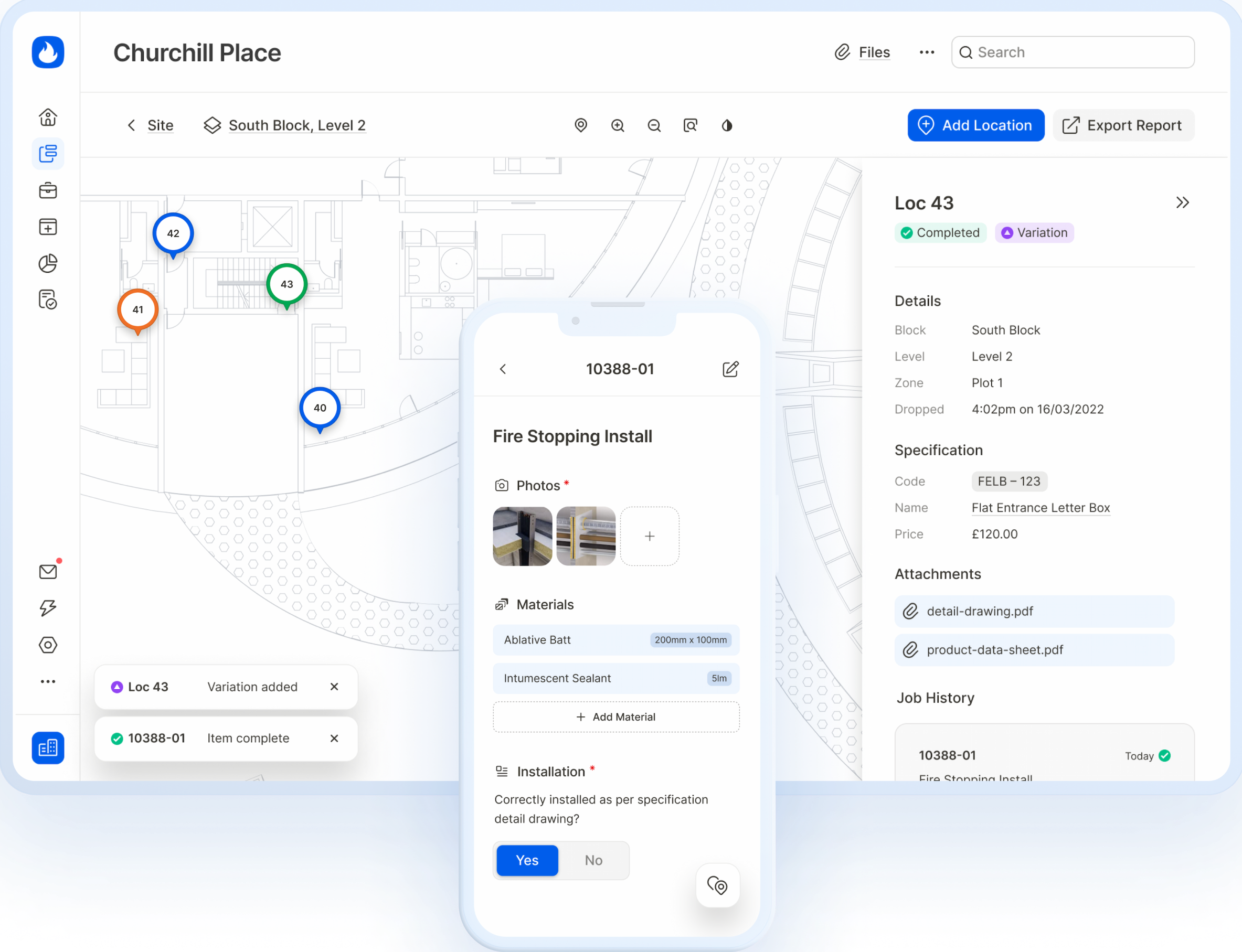
Great education passive fire protection projects start with great technology

Onetrace is a powerful cloud-based application that is supporting Ark Fire Protection to raise standards across the fire protection industry.


Providing Ark with one system to capture, monitor, review and report on all fire protection work being conducted in real time.

Get in touch

Ark Fire Protection

Ark Fire Protection can supply and install a full range of solutions for fire stopping not limited to but including, load-bearing compound fire seals, batt and mastic seals, graphite’s, wraps, collars and linear joint seals incorporating deflection when needed. All fire stopping installations are third party accredited by FIRAS scheme, Health & Safety accredited and ISO 9001 quality assured.

Get in touch

Fire Stopping Regulations for Educational Institutions

Ark Fire Protection guarantees that education institutions across the UK maintain compliance with fire regulations. Our skilled team offers a diverse selection of passive fire protection products to help you meet these standards effectively.


According to the 2020 amendments to the Building Regulations Act of 2010 on Fire Safety for Volume 1: Dwellings, it is imperative for buildings to effectively inhibit the spread of fire through internal linings, while also satisfying additional stipulations.


  • The premature collapse of the structure is avoided
  • Adequate measures have been taken to ensure that there is enough distance between buildings and within buildings to prevent the spread of fire
  • Wherever it is needed, automatic fire suppression is available.
  • The spread of fire and smoke in cavities is limited


The document and its amendments establish the appropriate protocols for the implementation of fire stopping measures. Our team of experts can provide invaluable assistance throughout this process to guarantee the utmost protection for your project.

image w text bg

What Is Passive Fire Protection in Educational Buildings and Why Is It Needed?

Passive fire protection in educational buildings consists of structural and compartmentation measures that contain fire and smoke, safeguard escape routes, and protect critical areas of a campus without relying on activation. These systems are integrated into walls, floors, doors, ceilings, and concealed voids and are designed to operate automatically throughout the building’s life.


Schools, colleges, and universities present unique fire safety challenges: high numbers of occupants, mixed age groups, complex circulation patterns, and frequent changes to spaces due to refurbishment or reconfiguration. Effective passive fire protection helps prevent rapid fire spread, supports orderly evacuation of staff and students, and limits damage to facilities that are costly and difficult to replace. In the UK, meeting these requirements is essential for compliance with Building Regulations Approved Document B and the duties placed on responsible persons under the Regulatory Reform (Fire Safety) Order 2005.

image w text bg

How Passive Fire Protection Supports Compliance in Educational Properties

In education settings, passive fire protection is a core element of legal fire safety compliance. Building Regulations Approved Document B sets out specific requirements for compartmentation and fire resistance performance, reflecting the need to protect escape routes, assembly points, and high occupancy areas such as halls, laboratories, and corridors.


Under the Regulatory Reform (Fire Safety) Order 2005, governing fire safety in England and Wales, the responsible person – typically the headteacher, principal, or facilities manager – is tasked with ensuring that passive fire protection measures are maintained, inspected, and repaired where necessary. The Fire Safety (England) Regulations 2022 reinforce these obligations with clear expectations for inspection frequency and record keeping, particularly in buildings with large numbers of daily users.


Passive fire protection helps protect pupils, staff, and visitors by maintaining compartmentation between classrooms, dining halls, and shared facilities, supporting phased evacuation strategies and reducing the potential for smoke spread in escape routes. This is especially important in education environments where mobility, supervision needs, and evacuation planning are complex.

image w text bg

Working With Leading Manufacturers