









Passive Fire Protection for the Healthcare Sector & NHS

NHS Trusts and private healthcare operators work to a different standard. HTM 05-02 governs fire safety design. HTM 05-03 governs operational fire safety. The Regulatory Reform (Fire Safety) Order 2005 sits on top – and inside every Trust, an Authorising Engineer (Fire) signs off the competence of the supply chain working on it.


Ark delivers passive fire protection for NHS Estates, private hospitals, community healthcare buildings, and blue-light infrastructure. Every job is delivered live-environment – phased, infection-controlled, out-of-hours where it has to be, with the evidence pack the Trust’s AE(Fire) and FM team need.

citation approved certificate
Constructionline Gold Certification
Firas certification
Ark ISO 9001 - British Assessment Bureau Certificate
CHAS cert exp
Acclaim certification logo
British Assessment Bureau Certificate
SafeContractor Certificate
facilities line gold member logo
ASFP Logo

    Working in HTM 05-02 and HTM 05-03 territory

    Healthcare buildings are governed by Health Technical Memoranda – the Department of Health’s technical standards that sit alongside the Building Regulations:


    • HTM 05-02 – fire safety in the design of healthcare premises
    • HTM 05-03 – operational fire safety: management, maintenance, evacuation strategy
    • HTM 00 – competence and quality framework for the supply chain
    • Regulatory Reform (Fire Safety) Order 2005 – the Responsible Person’s statutory duty
    • Building Safety Act 2022 – for HRBs in the healthcare estate (mental health units, residential care, etc.)


    Every Trust has an Authorising Engineer (Fire) whose job is to assess the competence of the contractors working on the estate. Ark works to AE(Fire) standards as a default – Authorised Person sign-off, method statements, phased programme plans, infection control protocols, and post-work evidence pack.

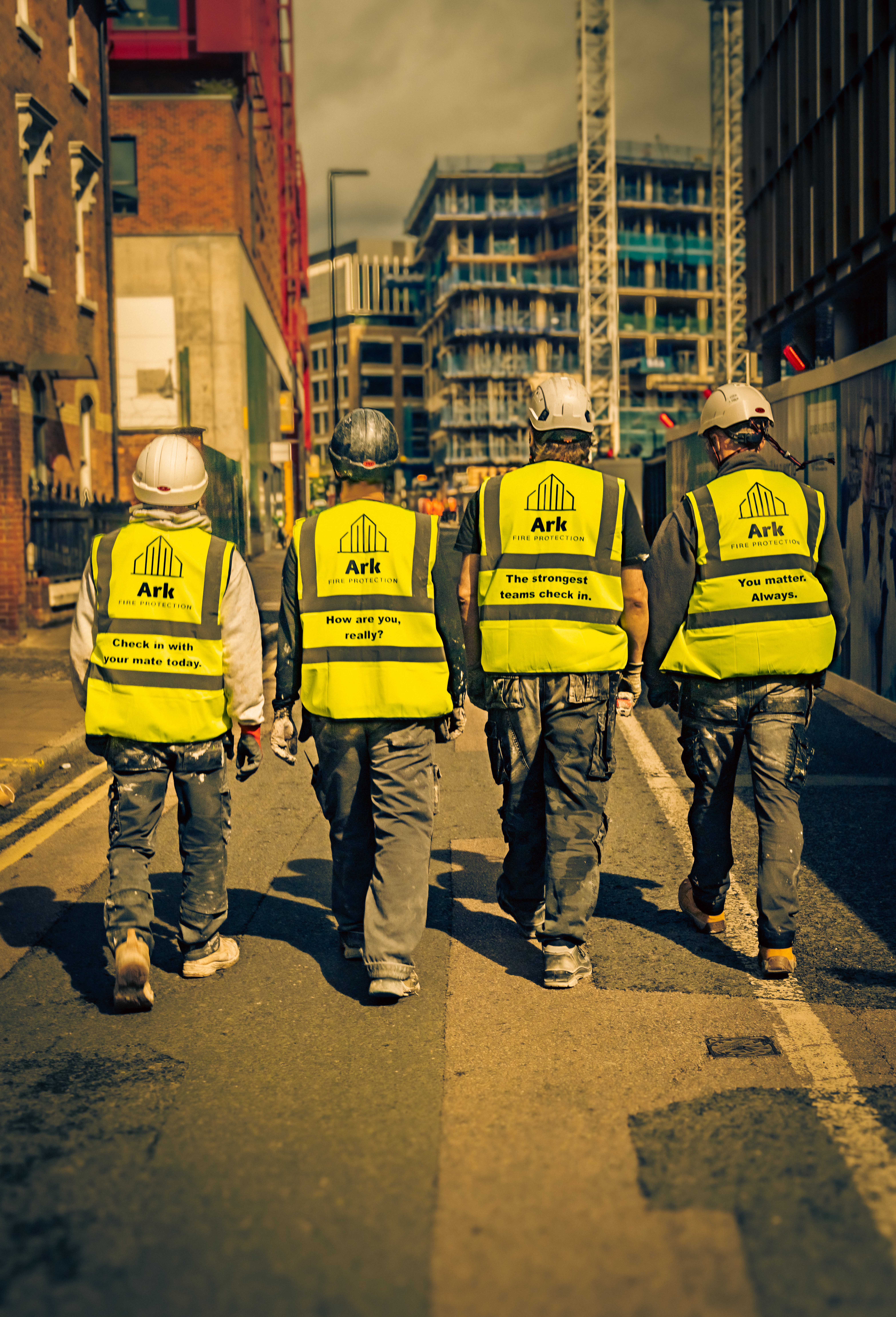
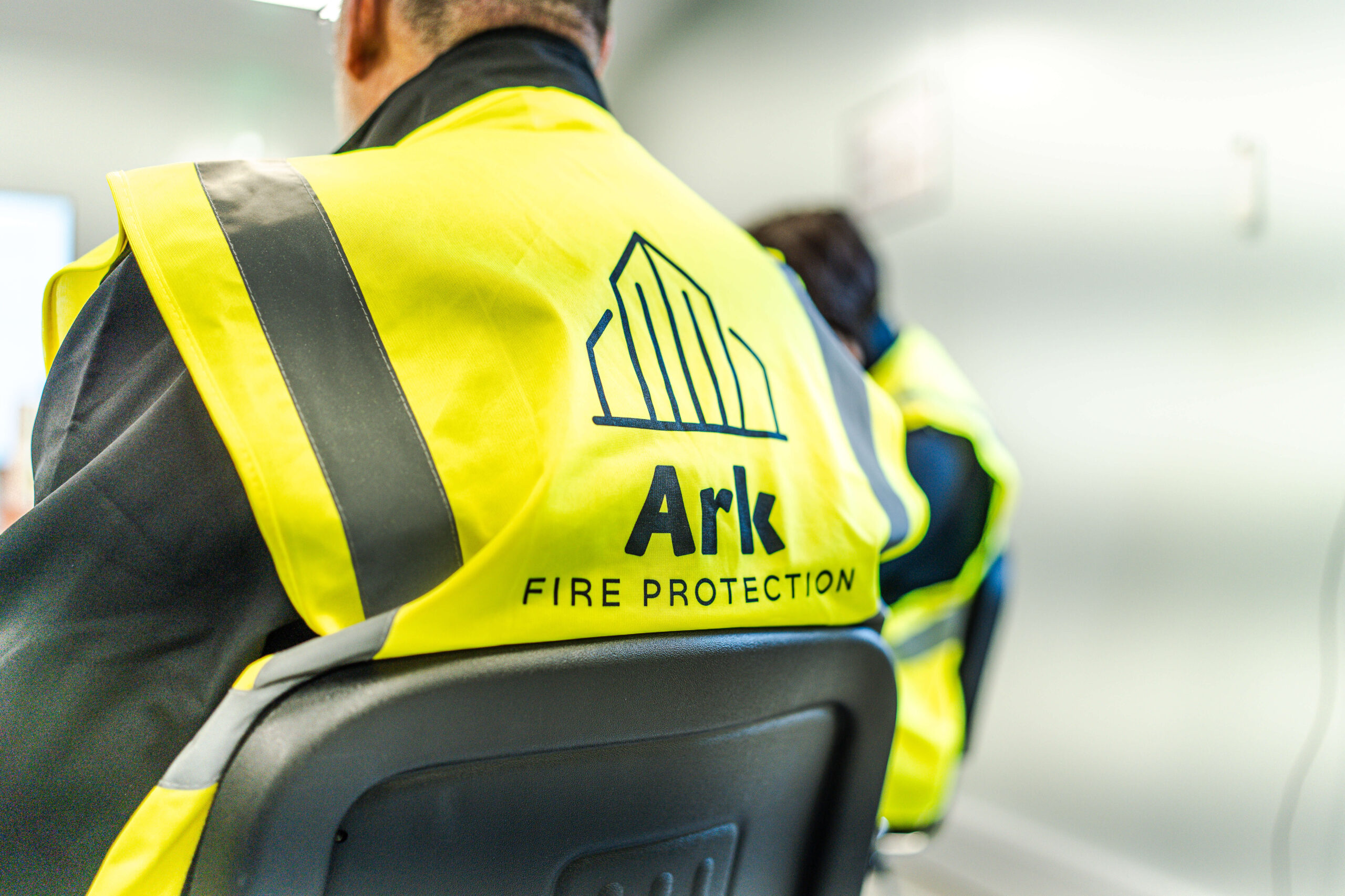
    image w text bg Ark Fire Protection Jacket & High Vis.

    Live-environment delivery - without disrupting clinical operations

    The hardest part of healthcare passive fire protection isn’t the work – it’s working around the people. Patients on wards, clinics in session, theatres running, IT and pharmacy uninterruptible. Ark’s healthcare operating model is built around it:


    • Phased programme planning around ward decant cycles
    • Infection control compliance – IPC sign-off on materials and method statements
    • Out-of-hours and night working for plant rooms, risers, and live clinical zones
    • Permit-to-work integration with the Trust’s estates management system
    • Hot-works permits, fire watch, and Authorised Person sign-off as standard
    • Clean-down protocols at the end of every shift – no debris in clinical corridors
    image w text bg Ark logo on the back of 3 high vis jackets.

    What happens when passive fire protection goes wrong in a healthcare estate

    If your evidence is wrong


    HTM 05-03 requires a documented inspection regime, competence records for the supply chain, and a maintenance audit trail. Where that trail is missing or weak, the Trust’s Responsible Person cannot demonstrate compliance under the Fire Safety Order. The AE(Fire) cannot sign off the supply chain. The estate is operating outside its own HTM compliance baseline.


    If there’s no QA on site


    Compartmentation breaches go undetected. Penetrations get back-filled with the wrong product. Doors get fitted with the wrong seals. The defects are invisible until the next FRA – by which time a clinical area has been operating outside HTM for months and the remediation has to be done live, around active patients.


    How Ark protects clinical continuity and HTM compliance


    AE(Fire) sign-off as standard. Onetrace evidence capture for every penetration, door, and barrier. Phased programme planning that respects ward decant cycles. Infection control compliance baked into the method statement. Every clinical area is handed back with a complete evidence pack – drawing, product data, install photos, FIRAS certificate, sign-off.

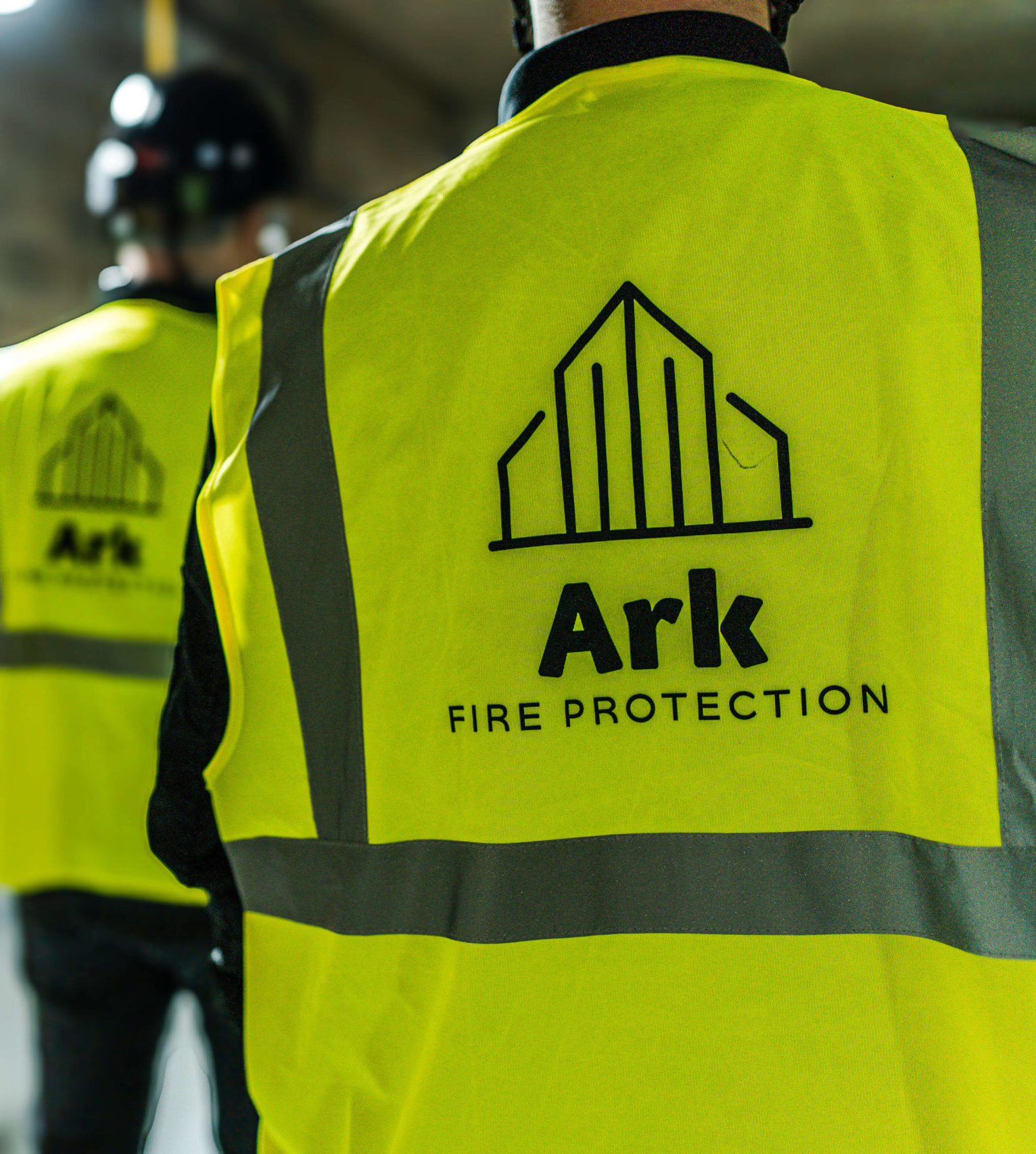
    image w text bg Ark Fire Protection Logo on high vis.

    Norwich Community Hospital - live-environment delivery in a community NHS estate

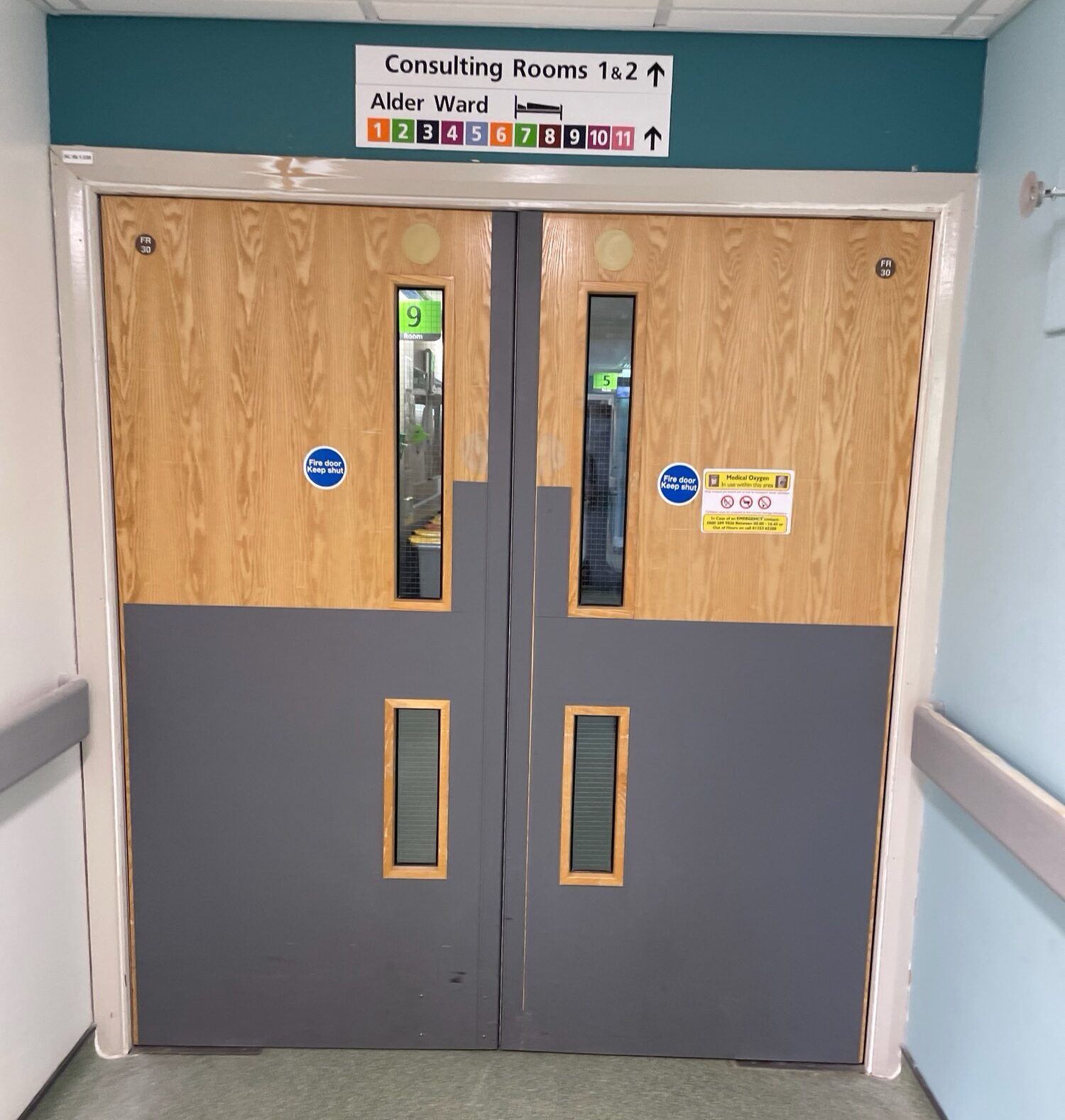
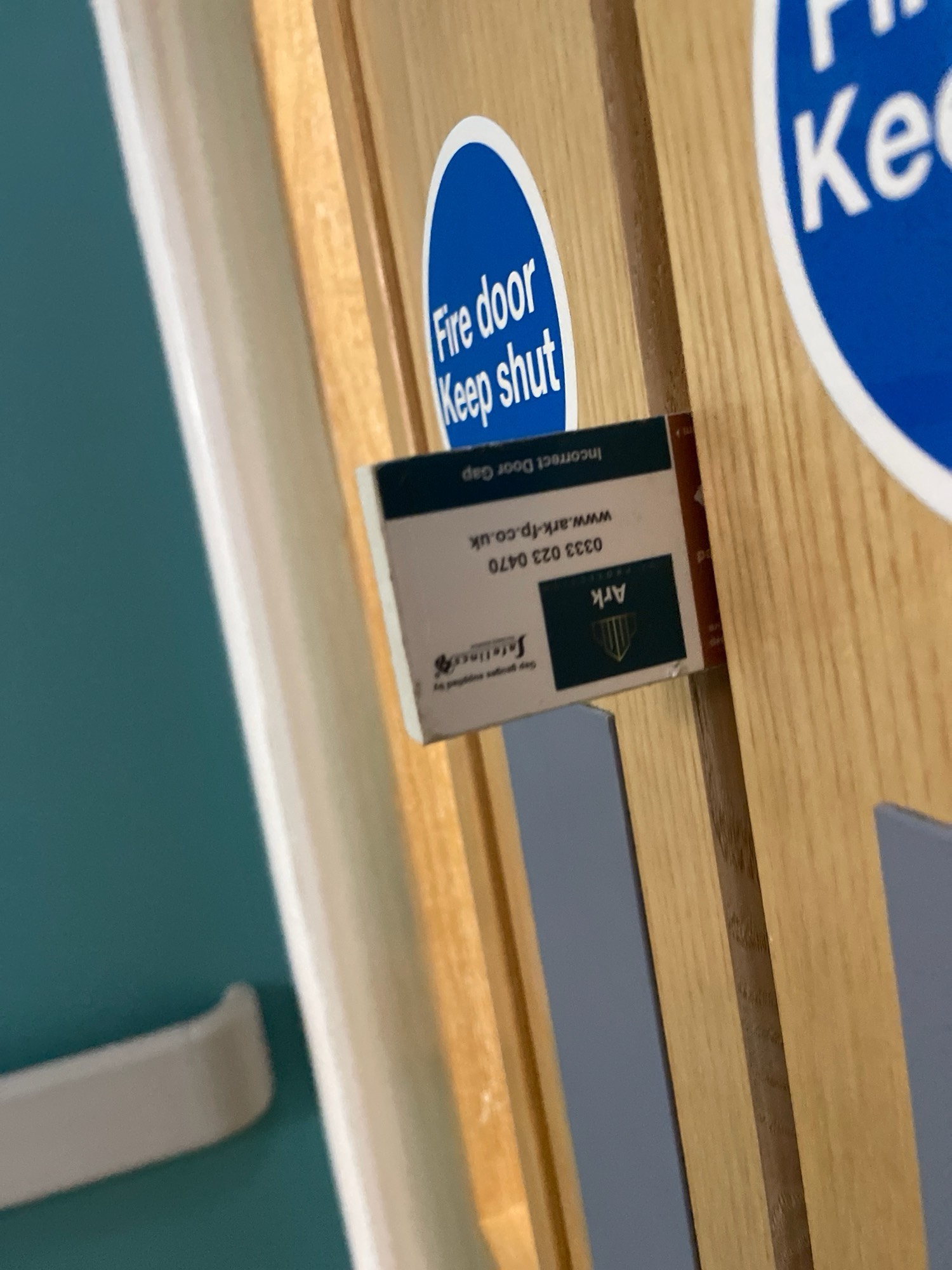
    Called in to restore a ward taken out of action by failing Cross Corridor fire doors, Ark delivered urgent remediation in a live NHS healthcare environment. Scope covered floor-to-door gap correction to 3mm, smoke seal renewal and frame-to-wall resealing with FSI Pyrocoustic to reinstate smoke control on the dual-action doors. Works were phased around ward operations under strict infection prevention and control protocols to protect patients and staff. Completed within a week, the remediation was verified to AE(Fire) sign-off and handed over with a full evidence pack of certification, inspection records and photographic proof.


    Read the case study.

    image w text bg

    How NHS Trusts and healthcare operators procure Ark

    Ark delivers through the main NHS procurement routes:


    • NHS SBS (Shared Business Services) – fire safety frameworks
    • NHS Procurement – Trust-direct call-off
    • Crown Commercial Service (CCS) – public sector framework
    • ProCure22 / P23 – major NHS estates programmes (where applicable)
    • Direct Trust engagement for estates, FM, and capital schemes outside framework
    image w text bg

    Experienced Healthcare Passive Fire Protection

    Our team comprises skilled professionals with extensive expertise in installing a diverse range of passive fire protection systems for various healthcare buildings. The most efficient method of combating fires is to confine them within a single compartment, and this is where passive fire protection systems prove invaluable.


    Our purpose-built systems are meticulously engineered to prevent the rapid spread of fire and smoke, safeguarding lives by creating vital evacuation time. By partnering with Ark Fire Protection, a trusted and experienced provider of Passive Fire Protection (PFP) solutions, you can ensure that your building is equipped with the most dependable and effective measures available.

    Get in touch

    Ark's Healthcare Passive Fire Protection Services

    Browse our complete range of passive fire protection services available for our healthcare clients. The two most important goals of passive fire protection are to make a structure safer for evacuation and to stop a fire from becoming a danger to life. Browse our services below to see how Ark Fire Protection can help safeguard your property.

    Fire Stopping

    Fire stopping involves sealing openings to prevent the passage of fire, smoke, and heat between different areas of a building. By establishing fire-resistant compartments vertically and horizontally, the spread of fire can be efficiently contained within healthcare facilities. Implementing effective fire stopping measures is vital for limiting the spread of fire and safeguarding valuable assets.

    Find out more

    Fire Doors

    Fire doors are a widely used solution for creating compartmentation within buildings. At Ark Fire Protection, we offer a range of services related to fire doors. Whether you require a new door closer or a complete fire door upgrade for your healthcare facility, our fire door maintenance services come with third-party accreditation.

    Find out more

    Intumescent Coatings

    Intumescent coatings provide a proven and effective solution to protect healthcare buildings from structural damage risks. Our rigorous testing ensures that all our coatings meet EU standards, giving our customers confidence in the advanced fire protection of their buildings. With our superior defence against potential threats, you can rest assured that your property’s structural elements are well-equipped.

    Find out more

    External Fire Barriers

    External Fire Barrier systems provide a comprehensive solution to prevent the spread of fire and smoke in healthcare premises, particularly in roof and ceiling areas, as well as concealed voids. These fire barrier systems are specifically designed to effectively cover voids up to 10.5 metres. Vertical fire barrier systems offer a combination of insulation and integrity, delivering up to 120 minutes of protection.

    Find out more

    Fire Curtains

    Ark Fire Protection specialises in the installation and maintenance of fire curtains crafted from flexible fibre. These curtains are purposefully designed for areas that are difficult to access or lack structural support, such as ceiling voids or lofts. Whether you require integrity or insulation, we offer a comprehensive range of fire curtains tailored to the unique requirements of our healthcare clients.

    Find out more

    Partitions

    Fire partitioning is an essential safety precaution implemented during the construction of healthcare facilities to prevent the rapid spread of fire. It involves constructing internal walls and ceilings that contain the fire within a specific room or area of the building for a limited period. This strategic approach allows occupants to quickly identify escape routes while minimising damage to the overall structure.

    Find out more

    Fire Remedial Works

    Our fire risk assessment (FRA) services for healthcare buildings involve the reinstatement or enhancement of various passive fire protection measures that currently fall short of the required fire safety standards. Through our remedial works, we aim to elevate your building’s fire safety standards to the appropriate level, ensuring compliance with current guidelines and regulations.

    Find out more

    Get in touch!

    Whether you have questions, require further information, or would like to discuss your specific needs for passive fire protection solutions, our dedicated team is here to assist you.

    Contact Us

    Accredited Healthcare Passive Fire Protection

    When it comes to Passive Fire Protection, you need a company that you can rely on. Ark Fire Protection is proud to be accredited by the leading industry bodies – ensuring that we always meet the highest standards of quality and safety, and that our customers can always expect a first-class service.


    We’re also ISO 9001 certified, meaning that our quality management systems are regularly audited and approved. So when you choose Ark Fire Protection, you can be confident that you’re making the best possible decision for your property.

    End-to-End Healthcare Passive Fire Protection Solutions

    At Ark Fire Protection, we offer comprehensive passive fire protection solutions tailored for healthcare properties. Our services encompass everything from design and installation to maintenance and remedial works. With our all-inclusive approach, you can be confident that your building will be equipped with state-of-the-art PFP systems, meeting the highest industry standards. Safeguard your healthcare premises against fire hazards by entrusting us with their protection. Reach out to us today to discover more about our services and how we can help secure your business or healthcare property.

    image w text bg

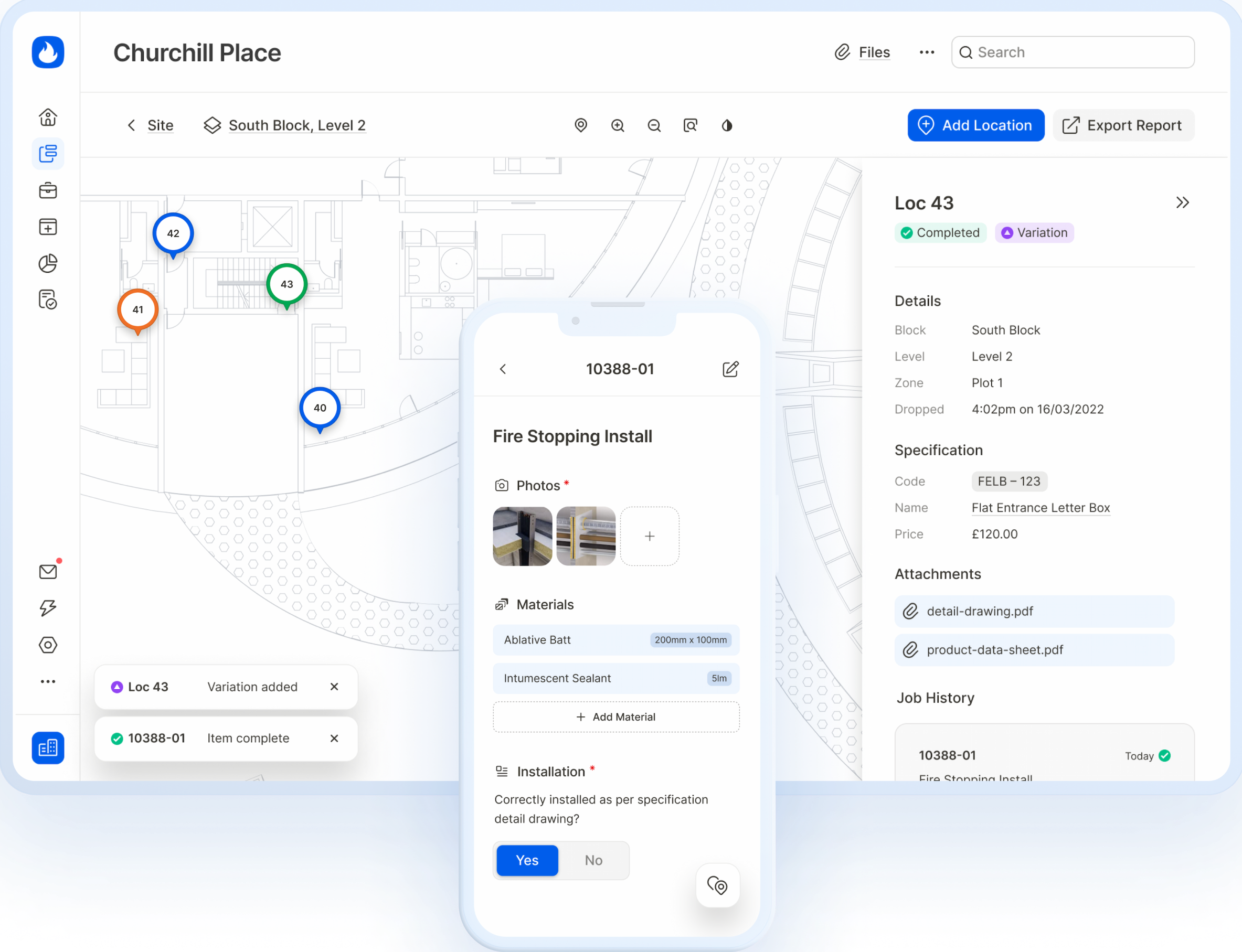
    Great healthcare passive fire protection projects start with great technology

    Onetrace is a powerful cloud-based application that is supporting Ark Fire Protection to raise standards across the fire protection industry.


    Providing Ark with one system to capture, monitor, review and report on all fire protection work being conducted in real time.

    Get in touch

    Fire Stopping Regulations for Healthcare Facilities

    Ark Fire Protection ensures that healthcare buildings remain in compliance with fire regulations. Our team of experts provides a wide range of passive fire protection products to assist NHS trusts, private healthcare operators and clinical contractors in meeting these standards efficiently and effectively.


    According to Approved Document B, Volume 2 (Buildings Other Than Dwellings) and the NHS Firecode series including HTM 05-02 and HTM 05-03, healthcare buildings must prevent the spread of fire while also meeting other requirements:


    • Fire compartmentation must be maintained throughout clinical areas, including around service penetrations and medical gas installations
    • Fire doors must comply with the relevant door-set specifications and be subject to a regular inspection and maintenance programme
    • Cavity barriers and fire stopping must account for the high density of service runs found in clinical buildings
    • Works in occupied wards or clinical areas must be managed under a Hot Works and Fire Safety Management Plan approved by the trust’s Authorised Person (Fire)


    The documents and their amendments detail the proper procedures for implementing fire stopping measures. Our team of experts is ready to offer valuable assistance throughout this process, ensuring the utmost protection for healthcare facilities.

    image w text bg

    What Is Passive Fire Protection in Healthcare Buildings and Why Is It Important?

    Passive fire protection in healthcare settings refers to built-in fire safety measures that prevent the spread of fire and smoke, protect critical escape routes, and maintain the structural integrity of buildings without requiring activation. These systems are integrated into the fabric of hospitals, clinics, care homes, and NHS facilities and are designed to perform continuously throughout the building’s life.


    In healthcare environments, patients, visitors, and staff may include vulnerable individuals who need time and assistance to evacuate. Complex circulation routes, high occupancy levels, and a mix of ward types and treatment areas increase fire safety challenges. Effective passive fire protection helps contain fire and smoke within specific compartments, supporting orderly evacuation, protecting critical care areas, and reducing disruption to lifesaving services. In the UK, these measures are essential for compliance with Building Regulations Approved Document B and the duties placed on healthcare providers under the Regulatory Reform (Fire Safety) Order 2005.

    image w text bg

    Benefits of Passive Fire Protection in Healthcare & NHS Facilities

    Protects vulnerable occupants

    Passive fire protection helps slow the spread of fire and smoke, giving patients – particularly those with limited mobility – extra time to evacuate or be moved to safer zones within a building.

    Supports clinical continuity

    By containing fire to a limited area, passive fire protection helps safeguard critical treatment zones, operating theatres, diagnostic facilities, pharmacy areas, and IT systems that support patient care and records.

    Enhances regulatory compliance

    Meeting fire compartmentation, fire door, and fire stopping requirements supports compliance with UK fire safety law and aligns with NHS fire safety policies and healthcare commissioning standards.

    Reduces operational disruption

    Containing fire and smoke limits damage to infrastructure and equipment, reducing costly downtime for critical healthcare services and lessening the need to relocate patients during repair works.

    Supports phased evacuation strategies

    Healthcare fire strategies often depend on phased evacuation. Passive systems help maintain safe zones, allowing staff to move patients in stages rather than conducting full building evacuations unnecessarily.

    Working With Leading Manufacturers

    Healthcare & NHS Passive Fire Protection FAQs

    What passive fire protection measures are needed in healthcare buildings?

    Healthcare facilities typically require fire resisting walls and floors, fire doors with appropriate ratings, fire stopping around services, cavity and fire barriers, and fire resistant coatings on structural elements. Each measure helps maintain compartmentation and supports patient and staff safety.

    How does passive fire protection differ in healthcare compared to other sectors?

    Healthcare buildings often accommodate patients with limited mobility, long length of stay, and varying levels of consciousness. This increases the importance of compartmentation, protected escape routes, and occupancy-specific fire strategies compared to sectors like retail or office spaces.

    Who is responsible for passive fire protection in NHS and healthcare buildings?

    The responsible person – often the Trust’s fire safety lead, facilities manager, or healthcare provider – is legally accountable under the Regulatory Reform (Fire Safety) Order 2005 for ensuring systems are installed, maintained, and documented.

    How often should passive fire protection be inspected in healthcare settings?

    Inspections should be carried out at least annually, with additional reviews whenever clinical areas are reconfigured, services are moved, or major refurbishment occurs. High-use zones such as patient wards and emergency areas may require more frequent inspections.

    Can passive fire protection be tailored to phased evacuation plans?

    Yes. Effective passive fire protection supports phased or progressive evacuation strategies by maintaining zones of refuge and limiting fire spread, giving staff the time needed to safely relocate patients.

    What happens if passive fire protection defects are found in a healthcare building?

    Defects should be addressed promptly through remedial works to restore compartmentation and compliance. Delays can compromise patient safety, increase risk, and attract enforcement action from regulators.

    What is HTM 05-02 and how does it affect passive fire protection in NHS buildings?

    HTM 05-02 is the Department of Health’s technical memorandum governing fire safety in the design of healthcare premises. It sets requirements for compartmentation, escape routes, fire-resisting construction, and the integration of passive fire systems with the Trust’s overall fire strategy. New builds, refurbishments, and major maintenance work in NHS estates must demonstrate HTM 05-02 compliance – and the passive fire protection evidence is a core part of that.

    What is the role of an Authorising Engineer (Fire) on an NHS estate?

    The Authorising Engineer (Fire) is a competent person formally appointed by the Trust to act as an independent assessor of the estate’s fire safety competence – including the supply chain working on it. The AE(Fire) reviews method statements, contractor competence, and evidence packs. A passive fire partner that doesn’t work to AE(Fire) standards as a default is a procurement risk.

    Can passive fire protection work be carried out without disrupting patient care?

    Yes – and on a live NHS estate it has to be. Ark plans every healthcare programme around ward decant cycles, IPC requirements, and out-of-hours windows for clinical zones. Phased delivery, permit-to-work integration, and clean-down protocols at the end of every shift keep clinical areas operational throughout.