Ark & Quelfire employees photo on site

Fire Stopping Contractors

Fire stopping is the most documented trade on a modern building. Every penetration has to be sealed to a tested system – and on a higher-risk building, recorded individually so it can be proven later. Done properly, it’s what keeps a fire in the compartment it started in.


Ark installs and evidences fire stopping at the scale Tier 1 contractors, social landlords and NHS Trusts work at – FIRAS third-party certified, installed to the tested system, and captured penetration-by-penetration so the compartmentation can be demonstrated, not just claimed.

citation approved certificate
Constructionline Gold Certification
Firas certification
Ark ISO 9001 - British Assessment Bureau Certificate
CHAS cert exp
Acclaim certification logo
British Assessment Bureau Certificate
SafeContractor Certificate
facilities line gold member logo
ASFP Logo

    Accredited Fire Stopping Company

    When it comes to fire stopping, you need a fire stopping company that you can rely on. Ark Fire Protection is proud to be accredited by the leading industry bodies – ensuring that we always meet the highest standards of quality and safety, and that our customers can always expect a first-class service.


    We’re also ISO 9001 certified, meaning that our quality management systems are regularly audited and approved. So when you choose Ark Fire Protection, you can be confident that you’re making the best possible decision for your property.

    Why fire stopping is where compliance is won or lost

    Of all the passive fire trades, fire stopping generates the most records and the most risk. A single block can have thousands of penetrations, each one needing the correct seal for the substrate, the service and the required fire rating. The system is usually specified correctly on the drawings – the problem is what happens on site, where penetrations multiply as the mechanical, electrical and drylining packages run, and change goes uncontrolled unless someone owns it.


    That makes fire stopping the single biggest contributor to a building’s golden thread – and the place a Principal Contractor is most exposed at Gateway. The Building Safety Regulator and FRAEW assessors work to a simple test: if a penetration can’t be tied to a product, a tested system and the person who installed it, it isn’t evidenced – and an unevidenced fire stop is treated as a failed one. Getting the installation right is half the job. Being able to prove it is the other half.

    image w text bg

    What happens when fire stopping goes wrong

    If the evidence isn’t there


    A fire stop you can’t evidence is a fire stop you can’t rely on. Without product data, a tested-system reference and a verifiable installer, the Principal Contractor can’t close out their Gateway submission and the Accountable Person inherits a record they can’t defend. Warranty and insurance cover can be challenged. And because the Building Safety Act reaches backwards, historic jobs with thin records are being reopened years after completion – a risk that has already pushed firms with no audit trail out of business.


    If nobody’s controlling quality on site


    Penetrations multiply as services go in. Without someone owning change, the wrong sealant, batt or collar gets used, product substitutions slip through, and the photos are missing or too generic to prove anything. None of it surfaces until handover – by which point it’s rework, programme slippage and a commercial argument over who pays for opening a wall back up.


    How Ark handles it


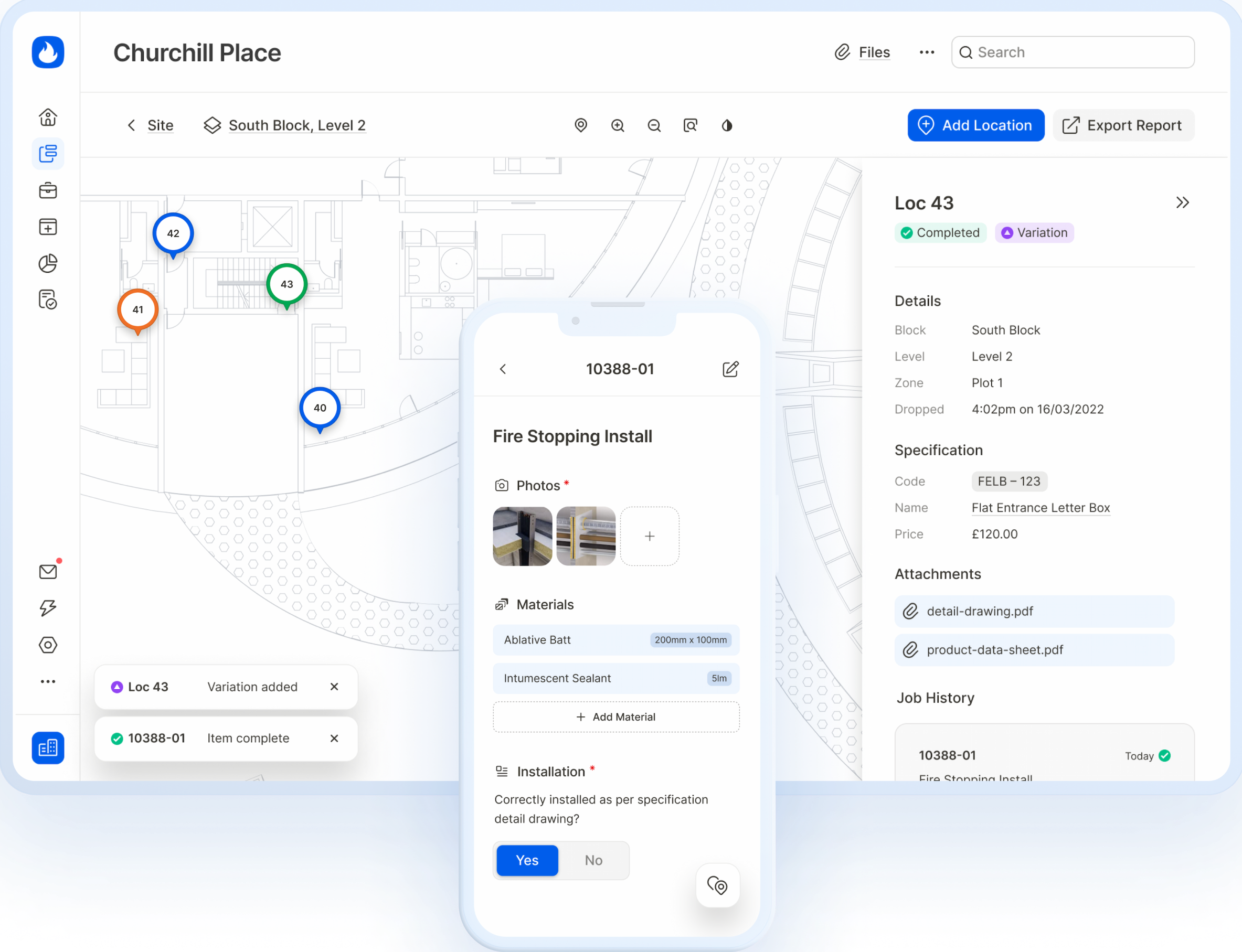
    Tested-system discipline enforced on site, not hoped for at handover – and every penetration captured in Onetrace as it’s installed: product and batch, FIRAS certificate, installer, photo, location and sign-off. The result is a structured digital record that builds the golden thread as the work goes in. The handover pack – photo register, product traceability, certificates, as-built drawings and deviation log – is the deliverable, not an afterthought.

    image w text bg

    Built for large fire stopping packages

    Fire stopping at Tier 1 scale is a narrow market, because the hard part isn’t the seal – it’s mobilising enough FIRAS-certified operatives, controlling change across thousands of penetrations, and coordinating with the trades whose work creates them. That’s what Ark is built around:


    • Certified operatives mobilised to the programme – the right number on site when it matters, not a fraction of the crew arriving weeks late.
    • Every penetration type is covered to the tested system – load-bearing compound seals, batt and mastic, graphites, wraps, collars and linear joint seals with deflection.
    • Coordination with the M&E and drylining packages built into the survey, so penetrations are managed rather than discovered.
    • Evidence captured as standard, so the compartmentation record is complete the day the package is.
    image w text bg

    What is Fire Stopping?

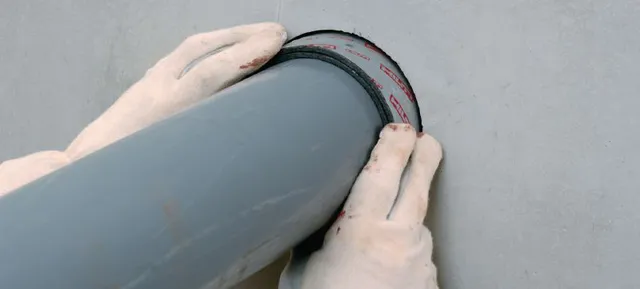
    Fire stopping is a passive fire protection method that involves sealing gaps, joints, and service penetrations in fire-rated walls, floors, and ceilings – preventing fire, smoke, and hot gases from passing between building compartments. Under UK Building Regulations (Approved Document B), fire stopping is a legal requirement wherever services such as pipes, cables, or ducts pass through fire-rated construction. Without it, the integrity of compartmentation is lost – and fire can spread rapidly through unseen voids.


    Effective fire stopping:


    • Seals openings in walls, floors, and ceilings to block the passage of fire, smoke, and heat.
    • Maintains compartmentation, slowing the spread of fire vertically and horizontally.

    • Buys time for safe evacuation and reduces damage to property and structure.
    image w text bg Two Ark team members inspect work on site

    Fire Stopping vs Fire Compartmentation vs Fire Barriers

    These three terms are often used interchangeably, but they describe different parts of the same fire safety strategy:


    • Fire compartmentation is the overall principle – dividing a building into fire-resistant compartments so that a fire in one area doesn’t spread to others.
    • Fire stopping is the practical work of sealing every gap, joint, and service penetration in those compartment walls and floors. It’s what makes compartmentation actually work.
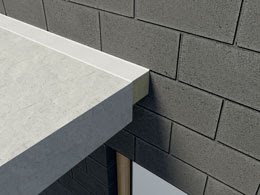
    • Fire barriers are physical products installed in concealed voids – such as roof spaces, ceiling voids, or external wall cavities – to maintain compartmentation in areas where solid walls and floors don’t reach.


    All three work together. A building can have perfect compartmentation on paper, but if the fire stopping around a single cable tray is missing, the entire strategy fails.

    image w text bg

    Fire Stopping Company

    Experts in Fire Stopping Services

    Today’s buildings use a lot more combustible materials than in the past. In fact, fires in modern buildings can spread 5 to 10 times faster than before, according to CTIF.org. That makes fire protection more critical than ever.


    New constructions also have lots of pipes, HVAC ducts, and other installations running through walls and floors. These create “weak spots” where smoke, heat, and flames can sneak through if not properly sealed.


    With years of expertise and experience working on countless projects across the UK, our team at Ark Fire Protection knows exactly how to tackle these challenges. Our fire stopping products and services seal those gaps and reinforce weak points, blocking hot gases, toxic smoke, and flames from spreading – keeping your building and neighbours safer.

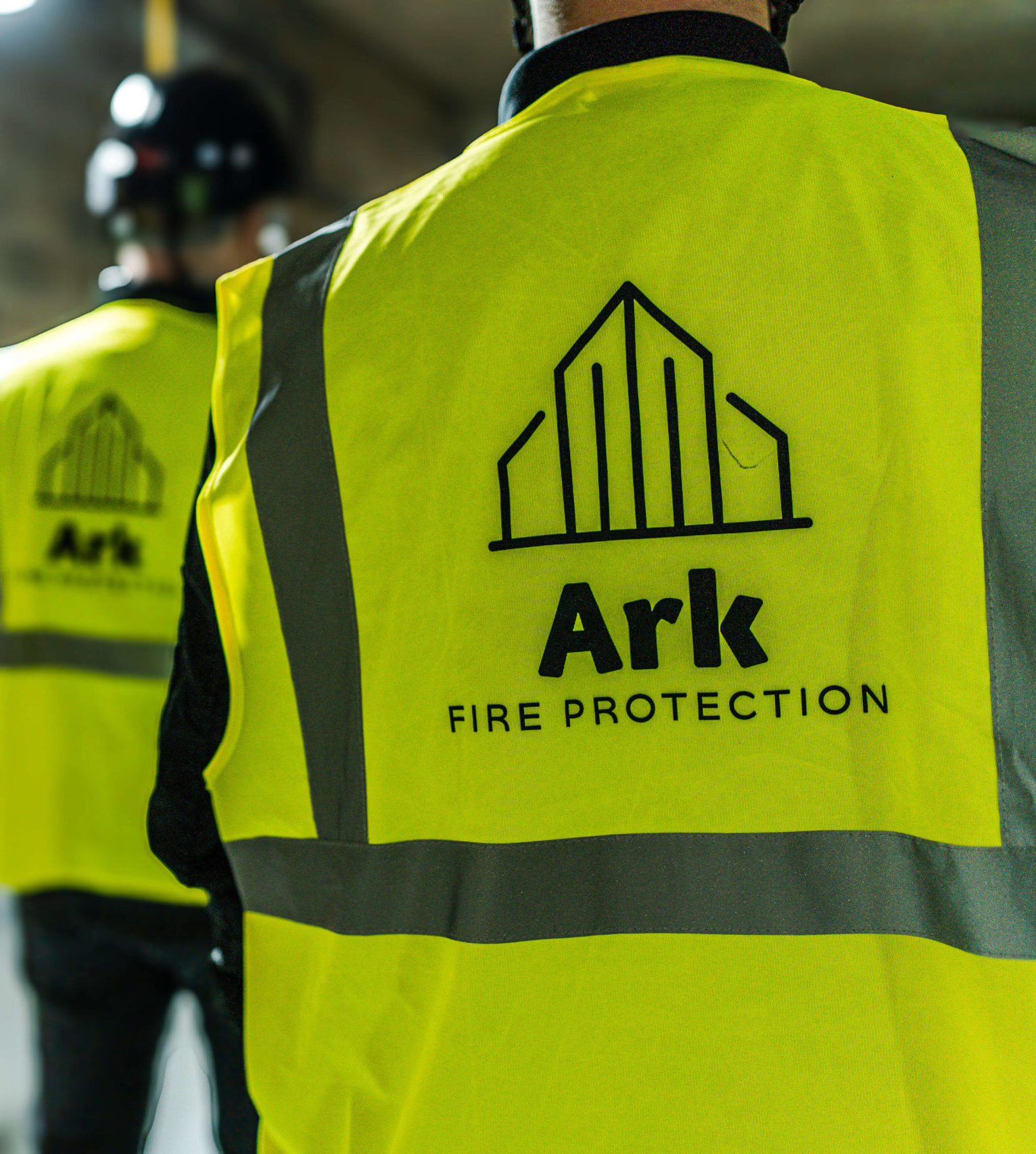
    image w text bg Ark logo on the back of 3 high vis jackets.

    Fire Stopping Contractors Near Me

    Nationwide Fire Stopping

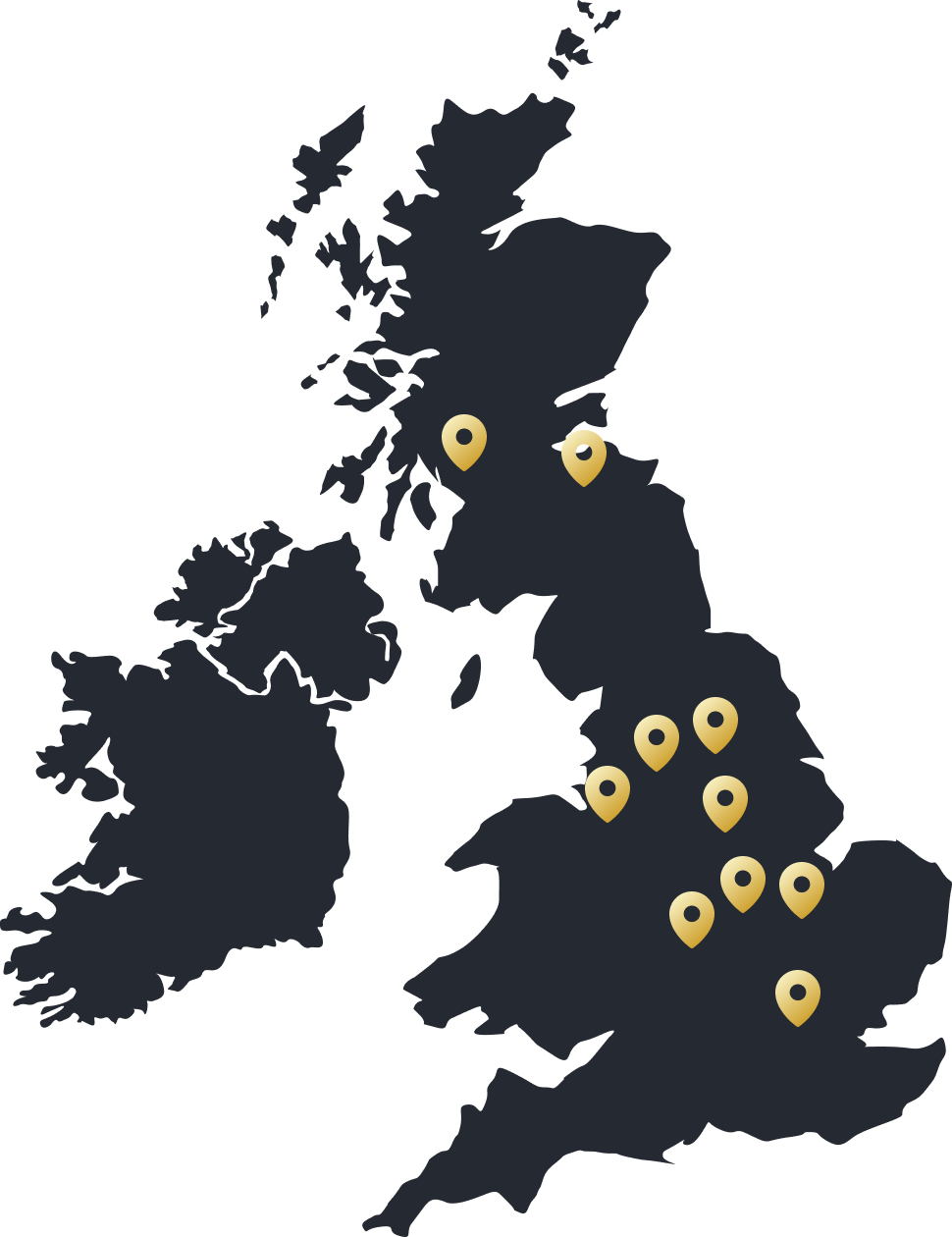
    If you’re looking for a fire stopping company near you, we provide our certified fire stopping expertise around the entirety of the UK, including.


    Get in touch with our team for assistance on your next fire stopping project.

    View our locations

    Why Choose Ark Fire Protection for Fire Stopping?

    Ark Fire Protection can supply and install a full range of solutions for fire stopping not limited to but including, load-bearing compound fire seals, batt and mastic seals, graphite’s, wraps, collars and linear joint seals incorporating deflection when needed. All fire stopping installations are third party accredited by FIRAS scheme, Health & Safety accredited and ISO 9001 quality assured.

    Get in touch

    Great fire stopping projects start with great technology

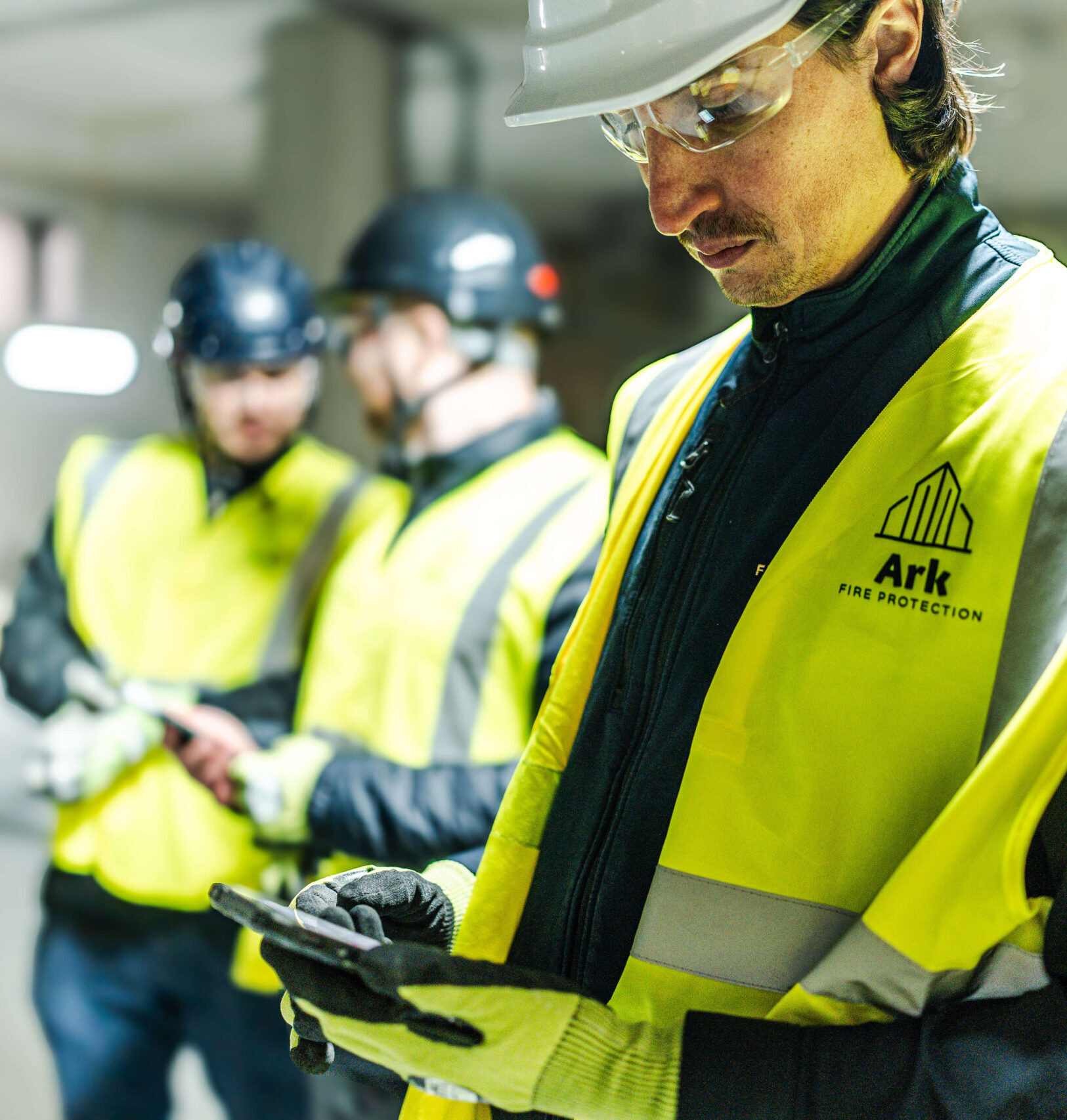
    Onetrace is the system behind every penetration we seal. Each fire stop is logged at the point of installation – product and batch, tested-system reference, FIRAS certificate, installer, photograph and location – so the record is built as the work happens, not pieced together afterwards. For the client, that means the compartmentation evidence is structured, searchable and ready the moment it’s needed: by the Principal Contractor at Gateway, the FRAEW assessor on a remediation, or the building owner years down the line.

    Reliable & Experienced Fire Stopping Installers Across the UK


    Our fire stopping installation services have been trusted across the UK for many years – we’re the reliable partner and first choice for expert work. We provide tailored fire stopping solutions for any size and scope of project. With our years of experience and reliable personnel, we can guarantee that your project will be completed to the highest standards and adhere to industry regulations.


    From initial assessment through to the post-installation review, our contractors offer a comprehensive service that guarantees successful fire proofing results. Satisfaction is our primary concern – we work with you to ensure all works go as planned. Fire stopping solutions are an essential part of any building construction or restoration project so make sure you trust only the best – choose Ark Fire Protection for commercial fire proofing today. As principal contractor on The Oval Village, we delivered full fire stopping across 738 apartments in partnership with Hilti engineers. At St William Clarendon Road we completed fire stopping across a 1,714-unit mixed-use development to achieve both 60 and 120-minute fire protection compliance.

    Fire Stopping Materials

    Load-Bearing Compound Fire Seals in Fire Stopping

    Inadequate protection around service risers can put buildings at risk of fire spread. Load-bearing fire compounds are specially formulated with a gypsum-based compound. When set the compound becomes hard and reinstates the fire ratings of walls and floors depending on specification from the client.


    At Ark Fire Protection we work closely with some of the leading manufacturers and products. Ark are third party accredited for application of compound fire seals. For more information contact our team.

    image w text bg Futuristic architecture in London financial district

    Fire Stopping Materials

    Batt & Mastic Seals in Fire Stopping

    Any surfaces that penetrate a fire wall will result in a spread of fire and smoke. Batt and Mastic Seals provide an innovative air seal barrier to keep fire out, but sound and heat in. Following the latest industry guidelines we can incorporate deflection that the surfaces have going through penetrations.


    Here at Ark Fire Protection we work closely with leading manufacturers. Our team are third-party accredited for all passive fire protection works.

    image w text bg Bright and modern ceiling

    Fire Stopping Materials

    Graphites in Fire Stopping

    Graphites are high specification formulas designed to prevent the spread of fire, smoke and harmful gasses through an opening situated in fire-rated walls and floors.


    Graphites expand when they are subjected to heat to close openings around penetrations when combustible or materials with low melting temperatures burn away. In the event of a fire the material crushes the pipe or trunking, sealing off this area and maintaining the integrity, which comes in handy in multiple service penetration and cable bunches.

    image w text bg

    Fire Stopping Materials

    Fire Stop Pipe Wraps in Fire Stopping

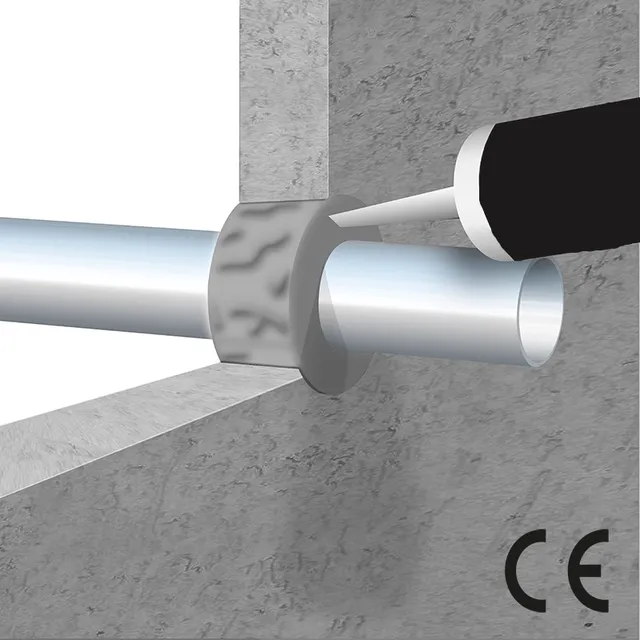
    Pipe Wraps are designed for installation around plastic piping or trunking passing through fire resistant structures such as walls and doors. During the primary construction phase of a product, i.e. casting floors, an additional tolerance is in built to enable the fitting of Pipe Wrap once the mechanical and electrical services have been installed.


    In the event of a fire the contained intumescent material rapidly expands and crushes the pipe or trunking, sealing off this area and maintaining the integrity.

    image w text bg

    Fire Stopping Materials

    Linear Joint Seals in Fire Stopping

    Flexible linear joint seals within wall cavities and voids are important in reducing the damaging effects of fire and smoke. Joint seals are designed to accommodate structural movement whilst maintaining fire performance of walls and floors.


    Here at Ark, we work with leading manufacturers and are the third party accredited for the installation of linear joint seals.

    image w text bg

    Fire Stopping Regulations

    Fire stopping in the UK is primarily governed by the Regulatory Reform (Fire Safety) Order 2005 and the Building Regulations 2010 (Approved Document B). Together, these form the foundation of passive fire protection compliance.


    The Fire Safety Order places a legal duty on the “Responsible Person” — typically the building owner, employer, or manager — to ensure that fire safety measures, including fire stopping systems, are correctly installed, maintained, and effective in preventing fire and smoke spread.


    Approved Document B provides the technical standards and performance criteria for fire resistance, compartmentation, and the protection of escape routes. It specifies how penetrations in fire-rated walls, floors, and ceilings — such as pipes, ducts, and cables — must be properly sealed using tested and certified fire stopping products.


    In practice, compliance means selecting systems that have been third-party tested and certified to BS EN standards, ensuring compatibility with surrounding building materials, and maintaining accurate documentation for inspection. Regular maintenance and re-certification are essential to uphold integrity throughout the building’s life cycle.

    For a full overview of the rules that apply, see our fire stopping guide and regulations.

    image w text bg

    Why Does Fire Stopping Matter?

    Fire stopping is a critical part of passive fire protection, designed to contain fire and smoke at their point of origin. Effective fire stopping:


    • Prevents fire spread between compartments – Seals gaps and penetrations to maintain compartmentation and limit damage.
    • Protects escape routes – Keeps corridors, stairwells, and exits clear of smoke and flames, ensuring safe evacuation.
    • Maintains structural stability under fire stress – Helps preserve the integrity of walls, floors, and ceilings during a fire.
    • Supports compliance with building regulations and legal duties – Ensures adherence to the Fire Safety Order and Building Regulations, reducing liability and improving overall building safety.
    image w text bg Man in Ark high vis checking works on One Trace app.

    Fire Stopping for Every Sector

    Fire stopping is essential across all types of buildings to ensure safety, compliance, and protection of assets. From commercial developments to healthcare facilities, each environment has unique fire safety requirements that demand sector-specific solutions. We’re delivering fire stopping across nearly 700 new council homes at Tustin Estates for Southwark Council, our Derby Housing Development case study shows the full range of penetration types we seal in residential blocks, and at Manchester Fire Station we worked on a live operational public building. Our fire stopping services are tailored to meet the distinct needs of every sector we work with:


    • Commercial Buildings – Protecting offices, retail spaces, and mixed-use developments.
    • Healthcare – Ensuring hospitals and clinics meet stringent safety and evacuation standards.
    • Education – Safeguarding schools, colleges, and universities with compliant passive fire protection.
    • Residential – Providing reliable compartmentation for multi-occupancy and high-rise housing.
    • Industrial – Securing manufacturing plants and warehouses against rapid fire spread.
    • New Builds – Integrating compliant fire stopping systems during construction for long-term performance.
    • Social Housing – Enhancing safety and compliance in council and housing association properties.
    image w text bg the golden thread

    Approved Document B: Fire Safety

    Approved Documents guide how to meet the building regulations. Part B contains guidance on fire safety, including means of escape, fire spread, structural fire protection and fire service access. The Approved Document can be downloaded below, with volume 1 covering dwellings and volume 2 covering buildings other than dwellings (including flats).

    fire stopping logo

    Part B Volume 1

    The Part B Volume 1 fire safety document is a section of the Building Regulations in the UK that provides guidance and requirements for fire safety in dwellings, including houses and flats. It covers topics such as means of escape, fire resistance, fire detection systems, and firefighting equipment.

    Download
    fire stopping logo

    Part B Volume 2

    Part B Volume 2 addresses fire safety for buildings other than dwellings, which includes offices, shops, and public buildings. This volume provides detailed guidance on fire compartmentation, the design of fire exits, smoke control systems, and access for firefighting services. It also outlines requirements for limiting fire spread across external walls and roofs, ensuring that fire and smoke can be contained effectively in different areas of the building.

    Download

    Ark’s Fire Stopping Process

    Ark closely follows the premise set out in the Golden Thread

    fire stopping logo

    Assessment and Survey

    The fire stopping process begins with a thorough assessment and survey. Our team conducts a comprehensive site inspection to identify all potential fire stopping requirements. This detailed examination allows us to understand the unique needs of your building and ensures no critical areas are overlooked. Following the inspection, we provide a detailed assessment report complete with our findings and expert recommendations. This report serves as the foundation for developing a customised fire stopping plan that effectively mitigates fire risks.

    fire stopping logo

    Design and Planning

    The next step in the fire stopping process is the design and planning phase. We create a bespoke fire stopping plan tailored specifically to your building’s design and usage. Our team collaborates closely with architects and construction teams to integrate our fire stopping solutions seamlessly into the overall building plan. This coordination ensures that our fire stopping measures are both effective and aesthetically aligned with the building’s architecture.

    fire stopping logo

    Installation

    Once the design is finalised, we move on to the installation phase. Our skilled professionals handle the installation of fire stopping systems with precision and care. We ensure that every component is installed correctly and efficiently, adhering to all relevant safety standards. Throughout the installation process, on-site supervision is maintained to guarantee that the work meets our rigorous quality and safety criteria.

    fire stopping logo

    Inspection and Maintenance

    Ark’s commitment to fire safety extends beyond the initial installation. We offer regular inspection and maintenance services to ensure the continued effectiveness of our fire stopping systems. With Ark, you can have peace of mind knowing that your building is protected by a robust and well-maintained fire stopping system.

    Working With Leading Manufacturers

    Fire Stopping Frequently Asked Questions

    What is fire stopping and why is it important?

    Fire stopping is the process of sealing gaps and service penetrations in fire-rated walls, floors, and ceilings to prevent the passage of fire and smoke between compartments. It’s important because compartmentation only works if every penetration is properly sealed – a single unsealed gap can compromise the fire safety of an entire building.

    Is fire stopping a legal requirement in the UK?

    Yes. Under the Regulatory Reform (Fire Safety) Order 2005 and Building Regulations Approved Document B, fire stopping is required wherever services penetrate fire-rated construction. The Responsible Person is legally accountable for ensuring fire stopping is installed, maintained, and documented.

    What materials are used for fire stopping?

    Common materials include intumescent sealants and mastics, fire-resistant boards, mineral wool batts, fire collars and wraps for pipes, fire-rated graphites, and load-bearing compound seals. The right material depends on the type of penetration, the fire rating required, and the surrounding construction.

    What is the difference between fire stopping and fire compartmentation?

    Compartmentation is the principle of dividing a building into fire-resistant sections. Fire stopping is the practical work of sealing every gap and penetration in those compartment walls and floors. You can’t have one without the other – compartmentation only works if fire stopping is correctly installed.

    How often should fire stopping be inspected?

    At least annually, and after any building work, refurbishment, or service installation that disturbs fire-rated construction. High-risk buildings or those covered by the Building Safety Act 2022 may require more frequent inspections as part of the building’s safety case.

    Who is responsible for fire stopping in a building?

    The Responsible Person under the Regulatory Reform (Fire Safety) Order 2005 – typically the building owner, employer, or facilities manager. For buildings over 18 metres, the Accountable Person under the Building Safety Act 2022 also has specific duties around fire stopping documentation.

    Can fire stopping be retrofitted in existing buildings?

    Yes. Retrofitted fire stopping is common in older buildings, after refurbishments, or where existing installations are found to be non-compliant. Retrofits must use third-party tested systems compatible with the surrounding construction, and must not compromise structural integrity.

    What does a fire stopping survey involve?

    A fire stopping survey identifies every penetration in fire-rated construction – including pipes, cables, ducts, and structural joints – and assesses whether each is correctly sealed to the required fire rating. The survey produces a remediation schedule with prioritised actions, photographic evidence, and references to the relevant compartment lines.

    What standards govern fire stopping in the UK?

    Fire stopping products must be tested to the BS EN 1366 series (penetrations, linear joints, ducts, and cavity barriers). Installations must follow the Regulatory Reform (Fire Safety) Order 2005, Building Regulations Approved Document B, and the specific manufacturer’s installation instructions for each tested system.

    How does fire stopping fit into the golden thread and Gateway approval?

    On a higher-risk building, the as-built evidence for every sealed penetration forms part of the golden thread the Building Safety Regulator reviews at Gateway. Because fire stopping generates more individual records than any other passive fire trade, incomplete fire stopping evidence is one of the most common reasons a submission stalls. Ark captures the evidence at install, so it’s structured the way the BSR expects to read it.

    What evidence should I expect for every fire stop?

    For each penetration: the product and batch installed, the tested system it matches, the installer’s competence record, a photograph, the location and a sign-off. Together these make up the golden-thread record. A fire stop without this evidence can’t be relied on under the Building Safety Act, however well it was installed.

    Is Ark FIRAS certified for fire stopping?

    Yes. Ark’s fire stopping is third-party certified by FIRAS and ISO 9001 quality assured, and all installations are third-party and health-and-safety accredited. Certificates are available in the accreditations section.

    Can Ark mobilise fire stopping at programme scale?

    Yes. Ark delivers large fire stopping packages on Tier 1 new builds, multi-block remediation programmes and NHS schemes, with certified operatives mobilised to the programme. Recent examples include 738 apartments at The Oval Village and a 1,714-unit development at St William Clarendon Road.