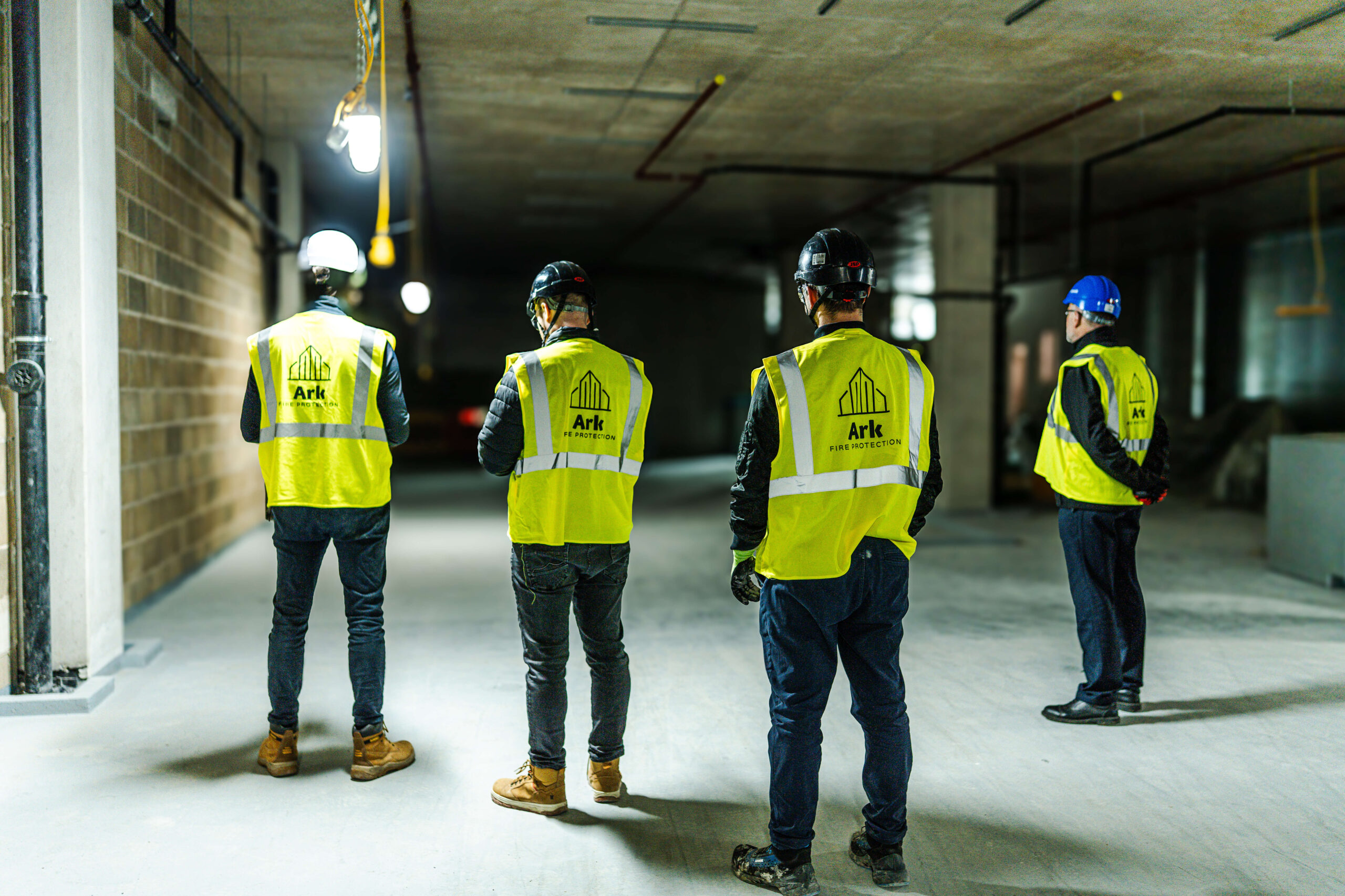
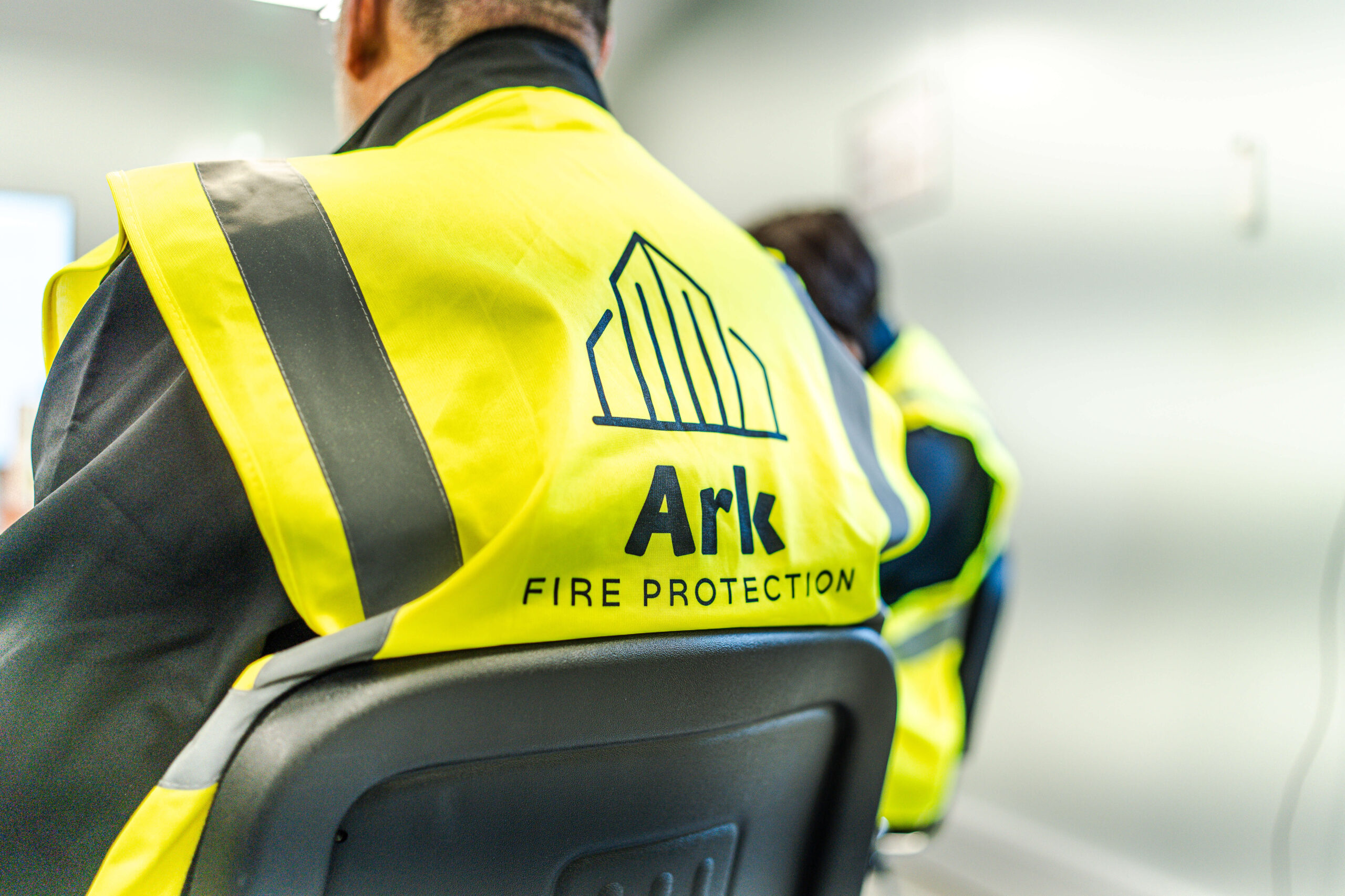
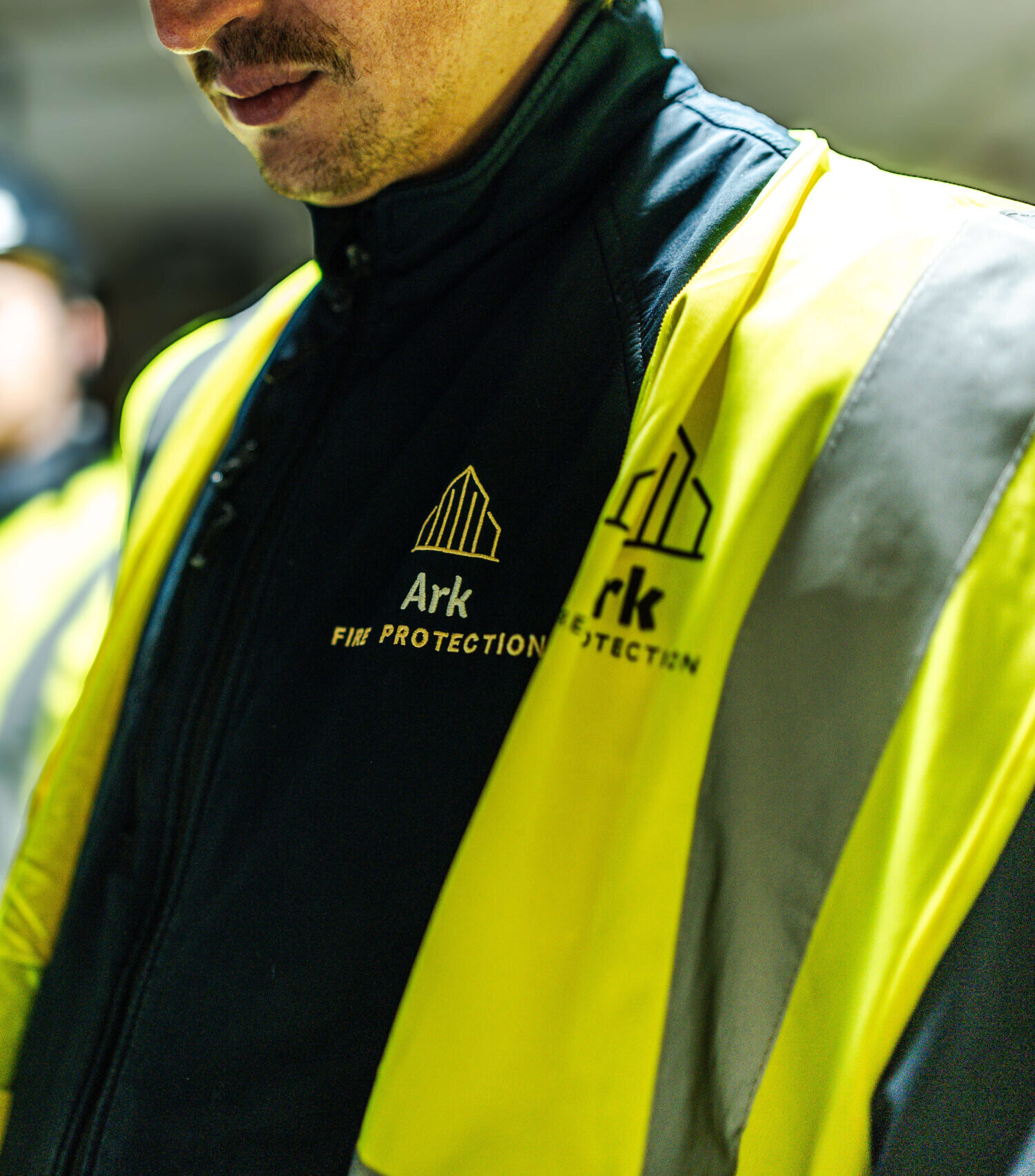
Ark logo on the back of 4 high vis jackets.

Emergency Lighting Installation Services

Emergency lighting is the system everyone assumes is working, until the power fails. The problem is rarely the fittings. It is the testing discipline behind them.


A missed monthly function test, an annual full-duration discharge that never happened, a logbook with gaps: that is what turns a routine inspection into an enforcement notice. For estates and compliance teams running escape lighting across a portfolio, the liability lives in the records as much as in the kit on the wall.

citation approved certificate
Constructionline Gold Certification
Firas certification
Ark ISO 9001 - British Assessment Bureau Certificate
CHAS cert exp
Acclaim certification logo
British Assessment Bureau Certificate
SafeContractor Certificate
facilities line gold member logo
ASFP Logo
fire door

Nationwide Emergency Lighting Installers for Public Sector and Housing Associations

Ark Fire Protection provides nationwide installation, upgrades and maintenance of emergency lighting systems. We work with housing associations, local councils and FRAs, bringing expertise in sector compliance, regulatory standards and reporting requirements.


Our engineers manage multi site portfolios, residential blocks, public buildings and commercial premises, delivering reliable systems with minimal disruption. Every installation includes audit-ready documentation, detailed reporting and long term support, reflecting our commitment to occupant safety, regulatory compliance and enduring partnerships.

image w text bg Ark Fire Protection Logo on high vis.

Types of Emergency Lighting Systems We Install and Maintain

We install and maintain emergency lighting systems tailored to the needs of each building.


Maintained emergency lighting stays on during normal operation and switches to emergency mode during power failure. Non-maintained emergency lighting activates only when normal power is lost, suitable for escape routes and exit signage. LED emergency lighting provides energy-efficient, long-lasting solutions with low maintenance requirements. Integrated emergency lighting systems connect to building management or fire alarm panels for centralised control and monitoring. All systems are designed, installed, commissioned and serviced in line with BS 5266 and Approved Document B to ensure compliance, reliability and long term performance.

image w text bg Ark Fire Protection Jacket & High Vis.

Why Choose Ark Fire Protection for Emergency Lighting Systems

Ark Fire Protection has extensive experience delivering life safety solutions to housing associations, councils and FRAs. Our qualified engineers install systems fully compliant with UK legislation, BS 5266 and Approved Document B. We provide clear reporting and documentation to support audits and compliance, and our emergency lighting systems integrate seamlessly with fire alarms, AOVs, disabled refuge systems and building management systems. Our solutions are scalable, suitable for single buildings or large multi site portfolios, and supported with long term maintenance to ensure ongoing reliability and protection.

Get a Free Quote

Our 12 Month Emergency Lighting Parts and Labour Warranty and Service Package

All newly installed emergency lighting systems include a 12 month parts and labour warranty.


Preventative maintenance visits inspect and functionally test lights and exit signage to ensure continued reliability. An annual full system service provides comprehensive battery checks, light output verification and full system operation testing. Emergency call out cover during the 12 month warranty ensures rapid response to any faults or operational issues, minimising disruption and maintaining life safety across all sites.

image w text bg Ark Team training session

Emergency Lighting Services As Part of a Wider Safety System

Emergency lighting is one part of a wider life-safety package and works best alongside related systems. We install it integrated with fire alarms for instant activation, automatic opening vents to keep cleared escape routes visible, and disabled refuge points so mobility-impaired occupants can be supported during evacuation. In sheltered and supported housing schemes we also pair it with warden call systems to keep essential communication infrastructure visible during a power failure.

image w text bg ark staff with arms round each other

Emergency Lighting Compliance: BS 5266 and Your Testing Duties

The Fire Safety Order requires escape routes to be adequately illuminated when the normal supply fails. The detail is set by BS 5266-1, which covers the design and coverage of escape routes, open (anti-panic) areas, high-risk task areas and exit signage, with luminance levels defined by BS EN 1838.


The duties are ongoing, not one-off. BS 5266-1 requires a monthly function test and an annual test at the full rated duration (typically three hours) alongside a commissioning certificate and a maintained logbook you can produce on demand. Coverage should be designed photometrically, not estimated by eye.


  •     Regulatory Reform (Fire Safety) Order 2005 – escape routes must be illuminated on supply failure.
  •     BS 5266-1 – design, coverage and the monthly / annual testing regime.
  •     BS EN 1838 – required luminance levels for escape routes and open areas.
  •     Approved Document B and exit signage to BS 5499 / ISO 7010.
  •     BS EN 62034 – automatic (self-test) systems that reduce manual testing and disruption.


A commissioning certificate plus a complete test log is what an inspector or insurer actually asks for, and what most portfolios cannot produce.

image w text bg Looking up at glass skyscrapers against the sky

Escape Lighting That Passes the Test - and the Logbook

Inherited emergency lighting is usually a black box: no record of the original design, gaps in the test history, failed fittings swapped out for whatever was to hand, and no photometric basis for whether the escape route is actually covered. Each of those is a finding waiting to be written up.


We design or verify coverage to BS 5266-1 and BS EN 1838, issue commissioning certificates, and run a structured monthly and annual testing regime with a digital logbook through Onetrace, so nothing slips and the evidence is always current. Where disruption is a concern we specify self-test systems. We integrate escape lighting with the fire alarm and smoke control, and hold a portfolio-wide schedule so no building quietly falls out of test.

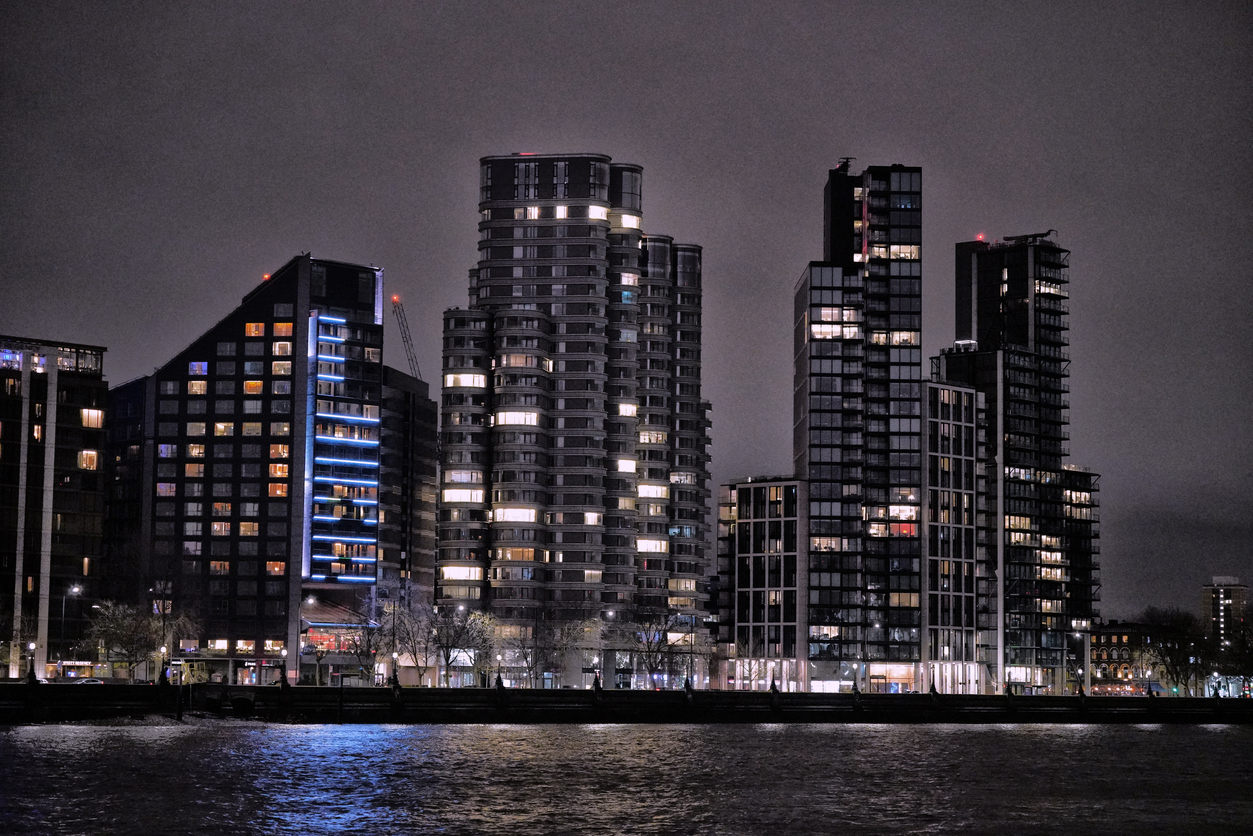
image w text bg Waterfront high-rise apartment buildings lit up at night

Our Accreditations

When it comes to the safety of your premises, you need a company that you can rely on. Ark Fire Protection is proud to be accredited by the leading industry bodies – ensuring that we always meet the highest standards of quality and safety, and that our customers can always expect a first-class service.

 

We’re also ISO 9001 certified, meaning that our quality management systems are regularly audited and approved. So when you choose Ark Fire Protection, you can be confident that you’re making the best possible decision for your property.

Great projects start with great technology

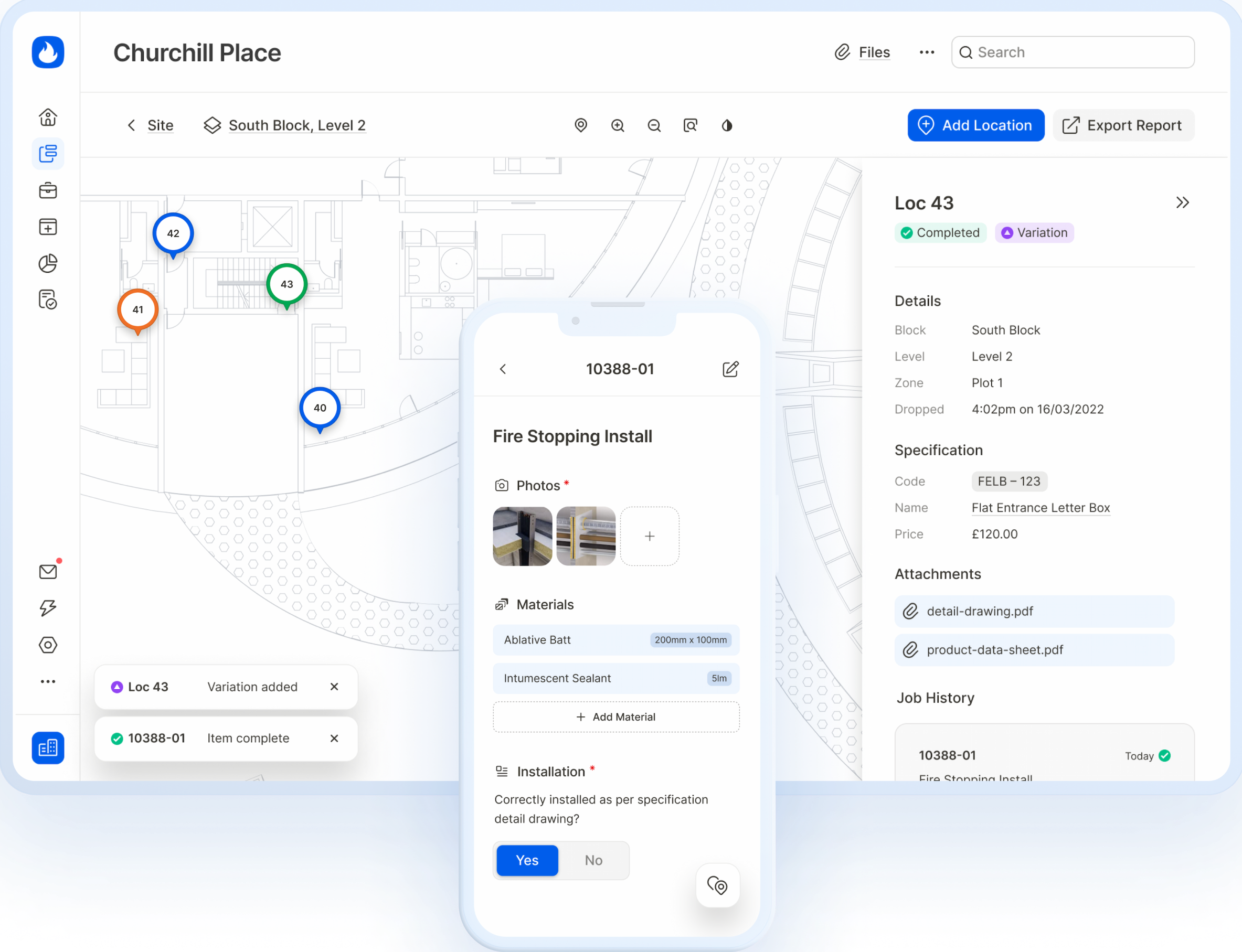
Here at Ark Fire Protection, we use a QR Code System to create a journey of your emergency lighting system to provide a digital log via the Onetrace App. The log covers the entire lifespan of your new emergency lighting system including information such as specifications, data sheets, images of work completed, the installer and what was installed.


Our QR Code System gives our clients visibility on the complete lifespan of the emergency lighting system and helps you keep on top of what work has been completed and what is required to keep up to date with the latest regulations and requirements.

Onetrace app tracking a fire stopping installation task

Working With Leading Manufacturers

Emergency Lighting Frequently Asked Questions

1. How often must emergency lighting be tested?

BS 5266-1 requires a short function test every month and a full-duration test (usually three hours) once a year, with results recorded in a logbook. We hold that schedule across your portfolio and log every test digitally.

2. What does BS 5266 actually require?

It sets how emergency lighting is designed and maintained: coverage of escape routes, open areas and high-risk areas, illuminated exit signage, minimum durations, and the testing regime. We design and certify to it.


3. Who is responsible for emergency lighting compliance?

The Responsible Person under the Fire Safety Order (the building owner, freeholder or managing agent) carries the duty. We provide the certification and test records that demonstrate it has been met.

4. Do we need a logbook and certificates?

Yes. A commissioning certificate at installation and an ongoing test logbook are expected, and are usually the first thing an inspector asks for. We maintain both digitally so they are always available.

5. Can testing be done without disrupting residents?

Yes. Self-test and automatic systems to BS EN 62034 carry out and record tests with minimal intervention, and we schedule manual testing around occupied buildings. We can retrofit self-test to reduce the burden.