What happens when it goes wrong in student accommodation
If the operator can’t evidence compliance
In a building full of sleeping occupants, the Responsible Person has to be able to prove the fire strategy is delivered – not just assert it. Missing fire-door inspection records in an 11m+ block are a direct breach of the Fire Safety (England) Regulations 2022; on an 18m+ block, a thin safety case is a Building Safety Act failure. Both put the operator’s registration, insurance and reputation on the line before anything has even caught fire.
If the work isn’t controlled on site
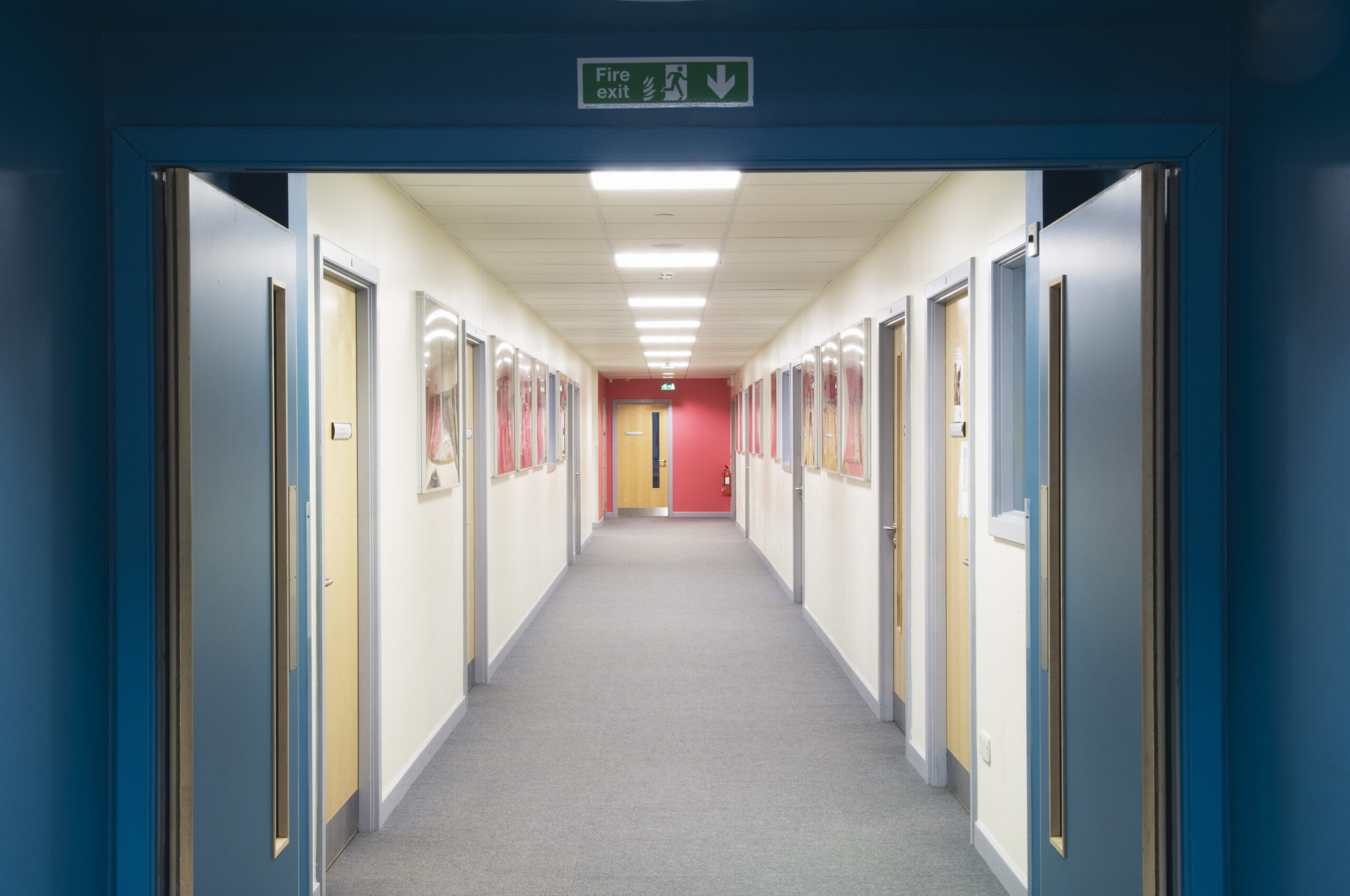
High-churn buildings – annual turnarounds, repairs, re-cabling – erode compartmentation fast. Fire doors fitted with the wrong seals or closers, penetrations left unsealed after maintenance, and cavity barriers missed at survey all void the protection, and none of it shows until an inspection or an incident in an occupied hall.
How Ark protects the operator
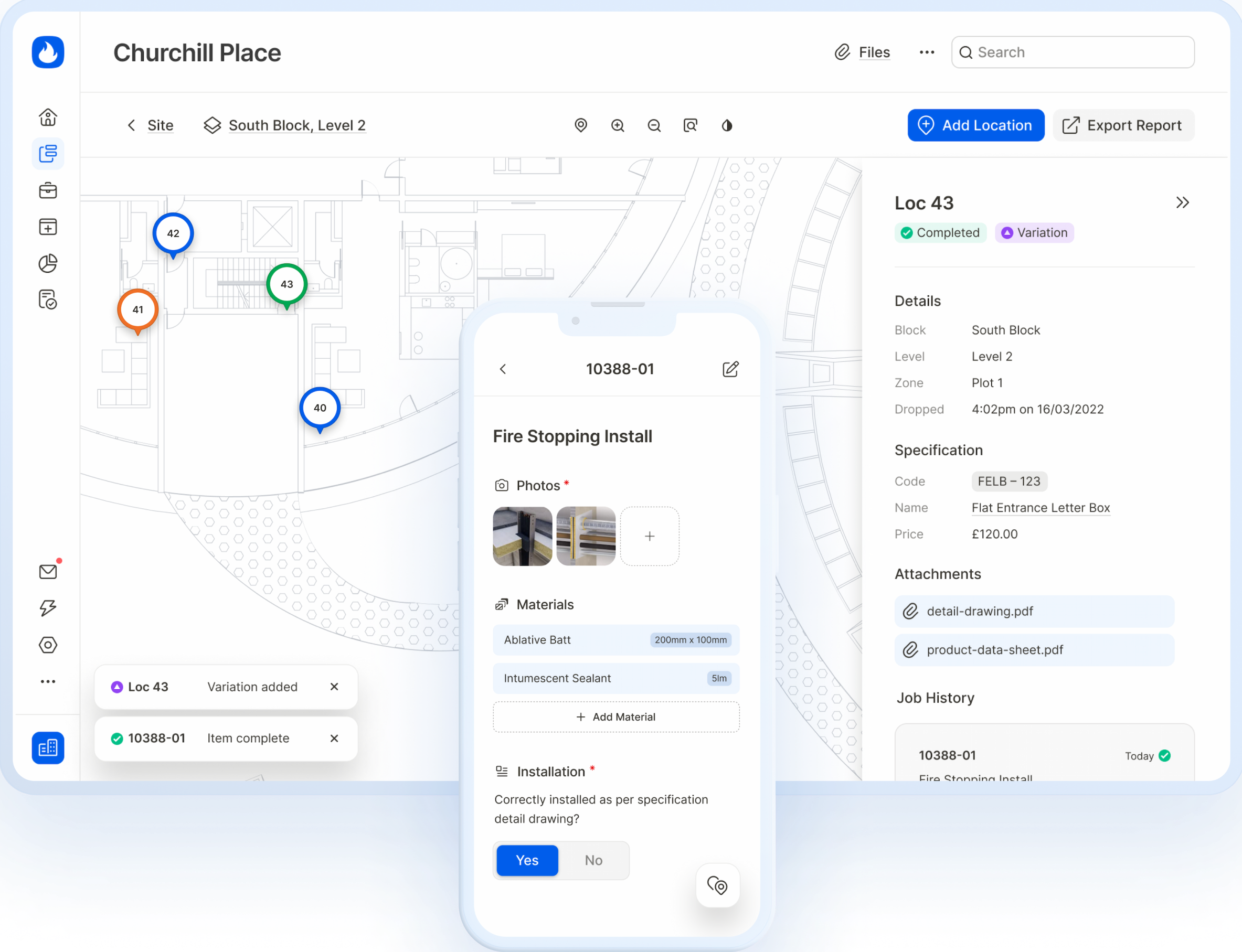
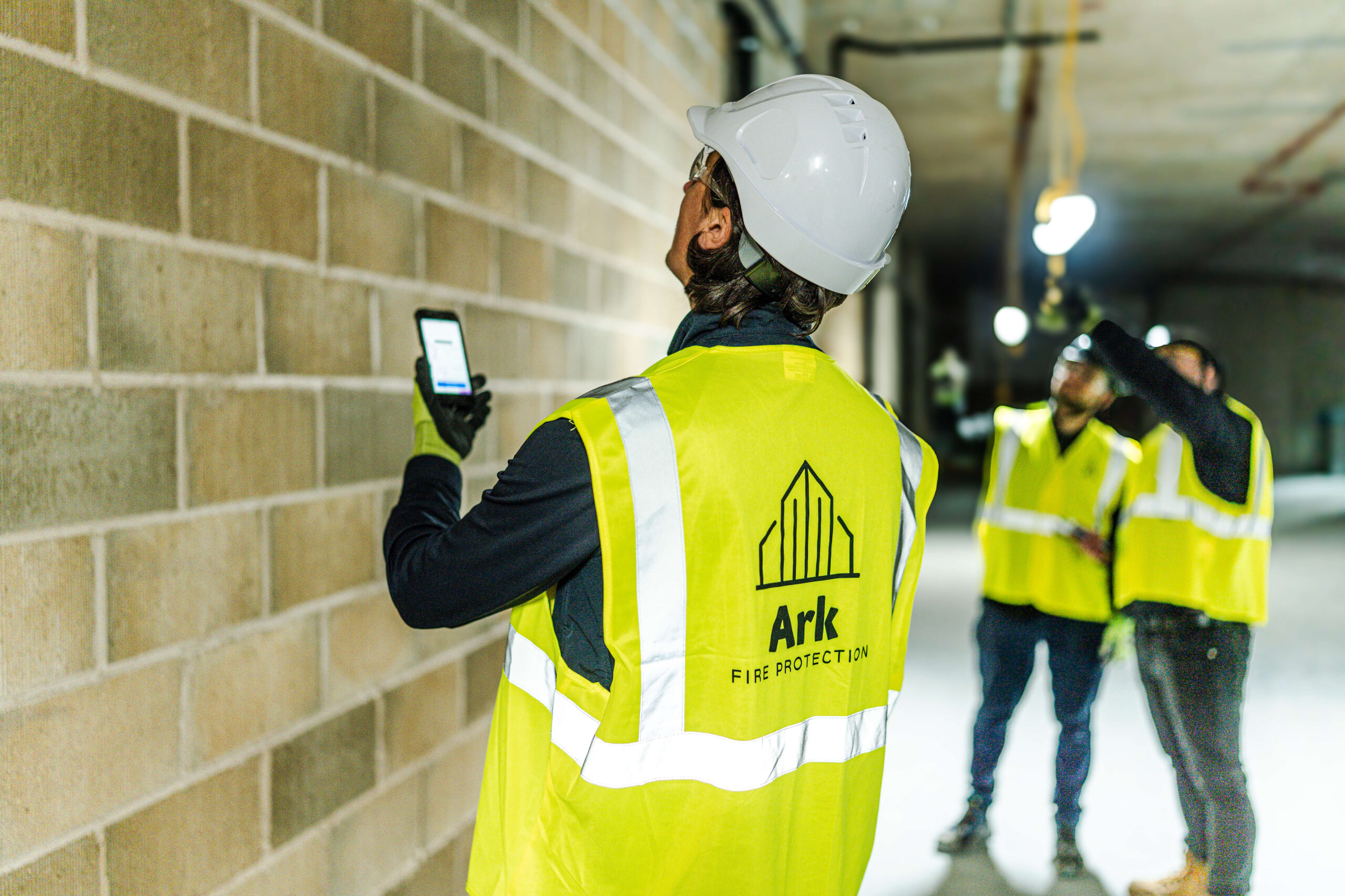
Third-party certified installation to the tested system, FDIS- and FIRAS-accredited fire-door inspection to the statutory frequency, and every door, penetration and barrier logged in Onetrace with product, location, photo and sign-off. The operator gets a defensible evidence trail mapped to the FS(E)R 2022 regime and the Building Safety Act safety case – produced on demand, not rebuilt under pressure.