Fire Stopping Regulations
Fire stopping in the UK is primarily governed by the Regulatory Reform (Fire Safety) Order 2005 and the Building Regulations 2010 (Approved Document B). Together, these form the foundation of passive fire protection compliance.
The Fire Safety Order places a legal duty on the “Responsible Person” — typically the building owner, employer, or manager — to ensure that fire safety measures, including fire stopping systems, are correctly installed, maintained, and effective in preventing fire and smoke spread.
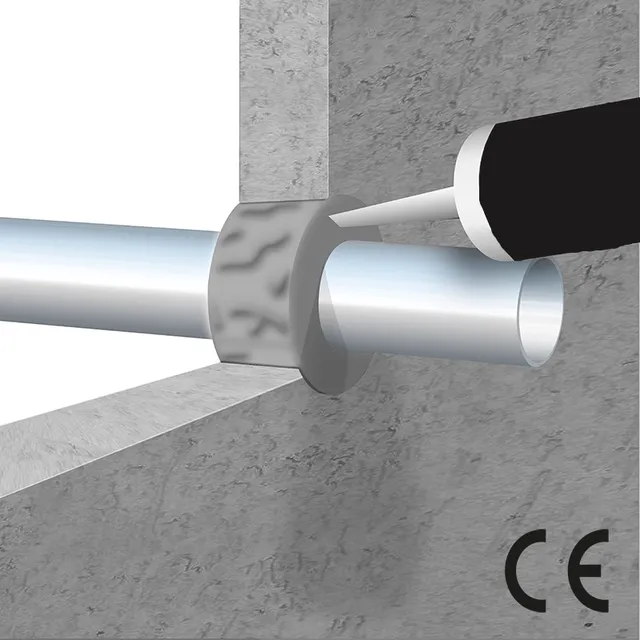
Approved Document B provides the technical standards and performance criteria for fire resistance, compartmentation, and the protection of escape routes. It specifies how penetrations in fire-rated walls, floors, and ceilings — such as pipes, ducts, and cables — must be properly sealed using tested and certified fire stopping products.
In practice, compliance means selecting systems that have been third-party tested and certified to BS EN standards, ensuring compatibility with surrounding building materials, and maintaining accurate documentation for inspection. Regular maintenance and re-certification are essential to uphold integrity throughout the building’s life cycle.